
Why Japanese Motorcycles Dominate the Global Market
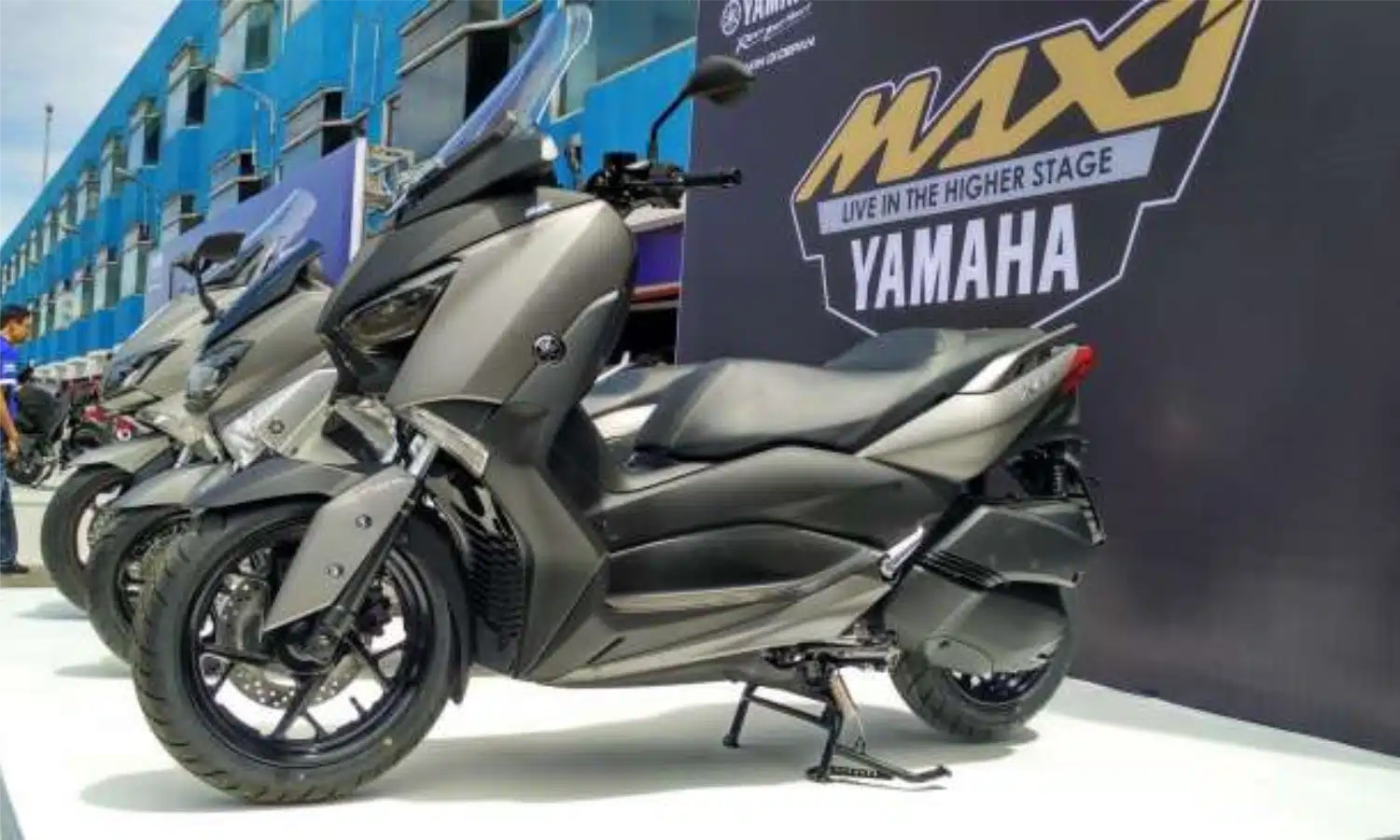
For decades, Japanese motorcycle manufacturers have consistently dominated the global motorcycle industry. From small urban scooters to high-performance superbikes, brands from Japan have built a reputation for reliability, innovation, and global reach. Companies like Honda, Yamaha, Suzuki, and Kawasaki have shaped the motorcycle market for decades. Their products are sold in almost every region of the world, from Southeast Asia and Europe to North America and Africa. But what exactly makes Japanese motorcycles so dominant globally? A Reputation Built on Reliability One of the biggest reasons behind the success of Japanese motorcycles is their reputation for reliability. Riders around the world often associate Japanese brands with engines that can run smoothly for years with proper maintenance. This reputation was built over decades through consistent engineering standards and strict manufacturing quality control. For everyday riders, reliability matters just as much as performance, especially in regions where motorcycles are used as primary transportation. Because of this trust, Japanese brands have been able to maintain strong market positions across both developed and emerging markets. Efficient Manufacturing and Global Production Another key factor behind the global dominance of Japanese motorcycles is their manufacturing strategy. Japanese companies were among the first to develop highly efficient production systems that balance quality with cost efficiency. Over time, these manufacturers expanded their production networks worldwide. Many motorcycles are now assembled in countries such as Indonesia, Thailand, and India. This allows brands to reduce logistics costs and adapt products to local markets more effectively. By combining Japanese engineering standards with localized production, manufacturers can offer competitive pricing while maintaining quality. Strong Global Distribution Networks Japanese motorcycle brands also benefit from well-established global distribution networks. Over the years, they have built strong relationships with dealerships, distributors, and service centers across different regions. This network ensures that customers have easier access to motorcycles, spare parts, and maintenance services. In many countries, the availability of spare parts and reliable service plays a major role in purchasing decisions. A strong after-sales ecosystem reinforces long-term brand trust and encourages repeat purchases. Innovation and Technology Japanese manufacturers have also played a major role in advancing motorcycle technology. Many industry innovations have been introduced by these companies, including improvements in engine efficiency, safety systems, and electronic rider aids. From entry-level commuters to high-performance machines, Japanese brands continue to invest heavily in research and development. This constant innovation helps them remain competitive even as new manufacturers emerge in the global market. A Balance Between Performance and Practicality Another key strength of Japanese motorcycles is their ability to balance performance with practicality. While some brands focus purely on speed or style, Japanese manufacturers often design motorcycles that are both reliable and user-friendly. This balance appeals to a wide range of riders — from daily commuters to enthusiasts. Final Thoughts Why Japanese motorcycles global market The dominance of Japanese motorcycles in the global market did not happen overnight. It is the result of decades of engineering consistency, efficient manufacturing strategies, strong global networks, and continuous innovation. As the motorcycle industry evolves with new technologies and changing mobility trends, Japanese manufacturers remain among the most influential players shaping the future of two-wheel transportation.