Imagine if you were planning to replace your motorcycle parts with genuine parts, but found that aftermarket parts were more tempting.
One of the most common questions people ask is whether it’s better to choose genuine parts or aftermarket alternatives.
At first glance, the difference may seem simple—genuine parts are usually slightly more expensive, while aftermarket parts are often more affordable. But in reality, it’s not an easy decision, and the issue likely isn’t just about price.
Understanding what the key considerations are between these two options can have a significant impact on your motorcycle’s performance, durability, and long-term costs.
What Are Genuine Motorcycle Parts?
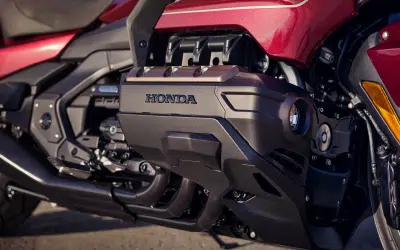
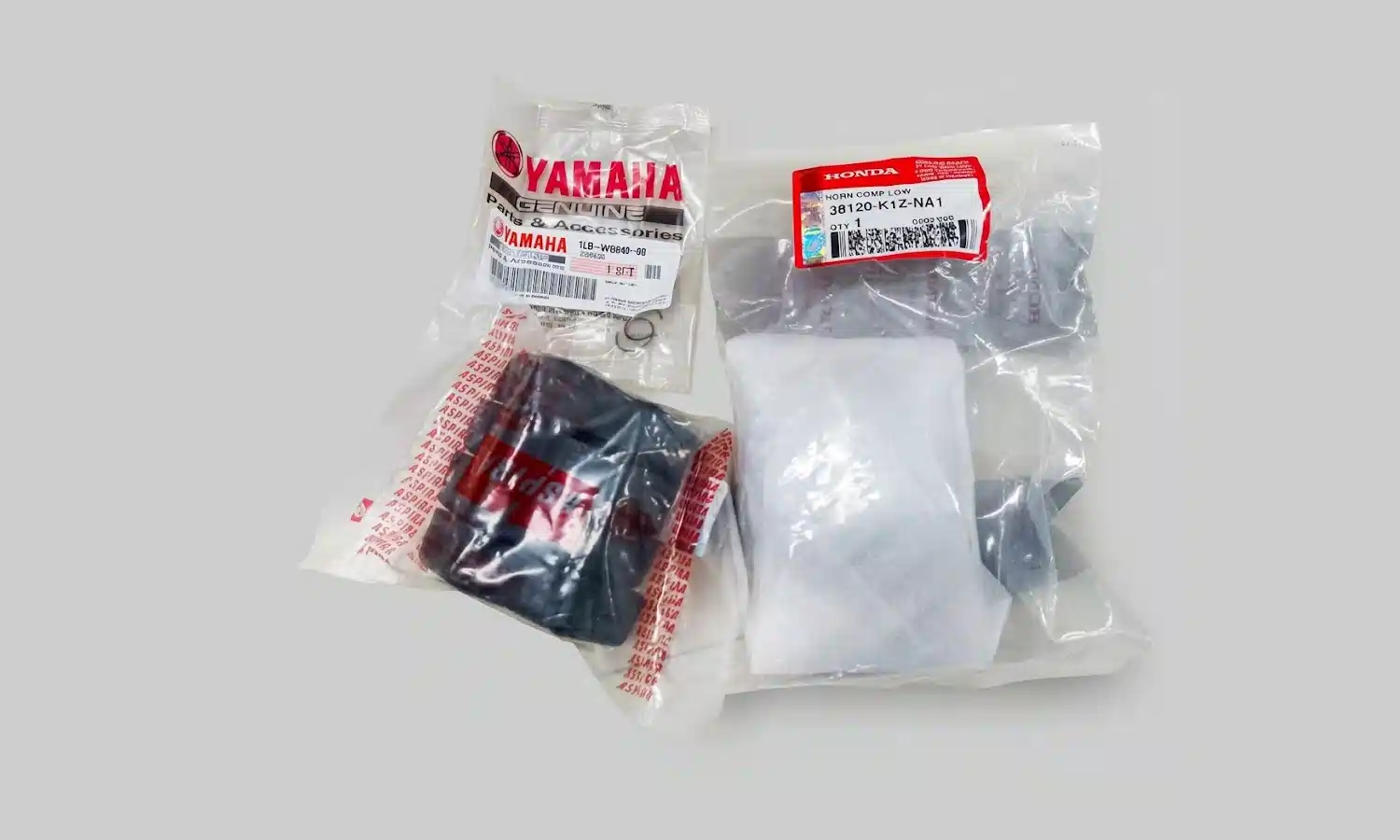
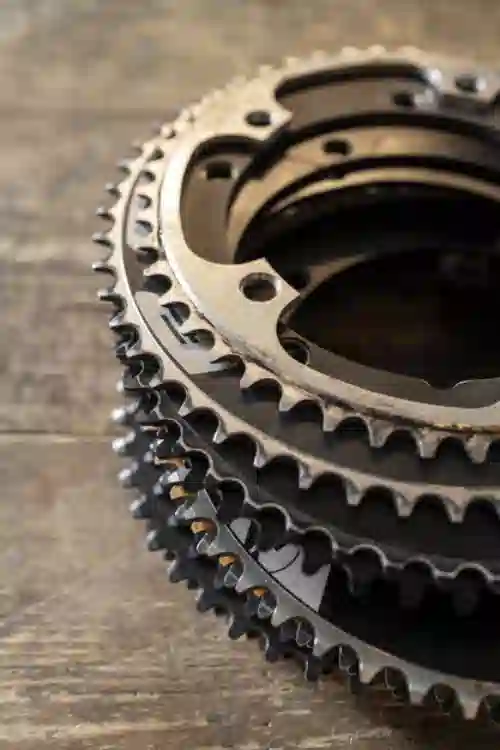
Genuine parts are components that are manufactured or officially approved by the motorcycle’s original manufacturer. Brands such as Honda, Yamaha, Suzuki, and Kawasaki specifically design these parts, which are manufactured and tailored to meet the exact specifications of their motorcycles.
Meaning:
- Perfect compatibility
- Consistent quality standards
- Reliable performance
Because they are built according to factory standards, genuine parts are often considered the safest choice for maintaining the original condition of a motorcycle.
What Are Aftermarket Motorcycle Parts?
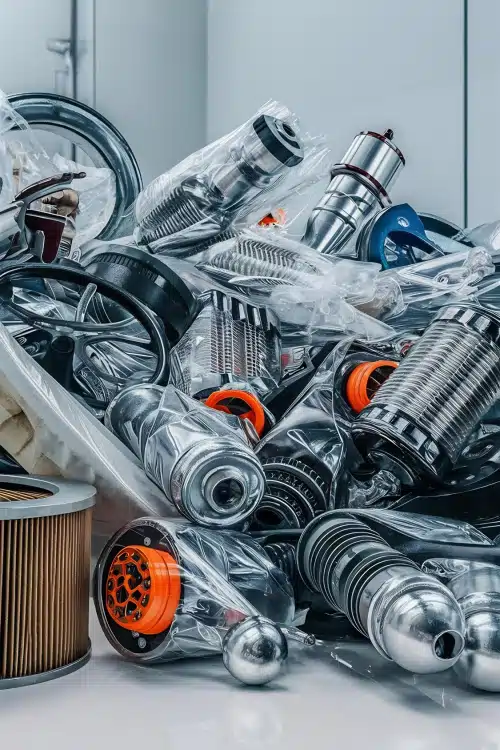
Aftermarket parts are manufactured by third-party manufacturers. These parts are designed to replace or resemble original components, though some vary in shape while others differ only in color; however, these parts are not officially produced by the motorcycle brand in question.
The quality of aftermarket parts can vary greatly:
- Some are high-quality and reliable
- Others may prioritize lower cost over durability
This variation makes it important for riders to be more selective when choosing aftermarket options.
The Real Difference: Compatibility and Reliability
One of the biggest differences between genuine parts and aftermarket parts is how well they fit and function in the vehicle.
Genuine parts are designed with precise dimensions and materials that match the original design. This ensures smooth installation and consistent performance.
On the other hand, aftermarket parts may not always meet the same level of accuracy. Even the slightest difference can cause:
- Reduced Efficiency
- Faster wear and tear
- Unstable Performance
In some cases, using incompatible parts can affect other components of the motorcycle.

Cost vs Long-Term Value
At first, aftermarket parts may seem like a more economical choice. However, the long-term impact should also be considered.
Lower-quality parts may:
- Wear out faster
- Require more frequent replacement
- Increase maintenance costs over time
In contrast, genuine parts often offer better durability and reliability, which can reduce overall expenses in the long run.
This is why many experienced riders focus not only on price, but on value.
Safety and Performance Considerations
Motorcycle parts are directly related to safety. Components such as brakes, suspension, and engine systems play a crucial role in how the motorcycle performs on the road.
Using parts that do not meet proper standards can increase the risk of:
In contrast, genuine parts often offer better durability and reliability, which can reduce overall expenses in the long run.
This is why many experienced riders focus not only on price, but on value.
In contrast, genuine parts often offer better durability and reliability, which can reduce overall expenses in the long run.
This is why many experienced riders focus not only on price, but on value.
- Performance instability
- Reduced braking efficiency
- Unexpected component failure
For this reason, choosing high-quality parts is not just about performance — it is also about safety.
Making the Right Choice
There is no single answer that fits every situation. Some high-quality aftermarket parts can perform well, especially when sourced from trusted suppliers.
However, the key is to ensure that the parts you choose:
- Match your motorcycle specifications
- Meet reliable quality standards
- Support long-term performance
Final Thoughts Genuine vs Aftermarket Parts
The difference between genuine and aftermarket motorcycle parts is not just about branding or price — it is about reliability, compatibility, and long-term value.
For riders who want to maintain performance, safety, and durability, choosing the right parts is a critical decision. Understanding these differences allows you to make smarter choices and avoid unnecessary risks in the future.