Nagoya Motor Internasional | Indonesia Genuine Parts Supplier

Top Motorcycle Industry Trends to Watch in 2026

motorcycle trends 2026

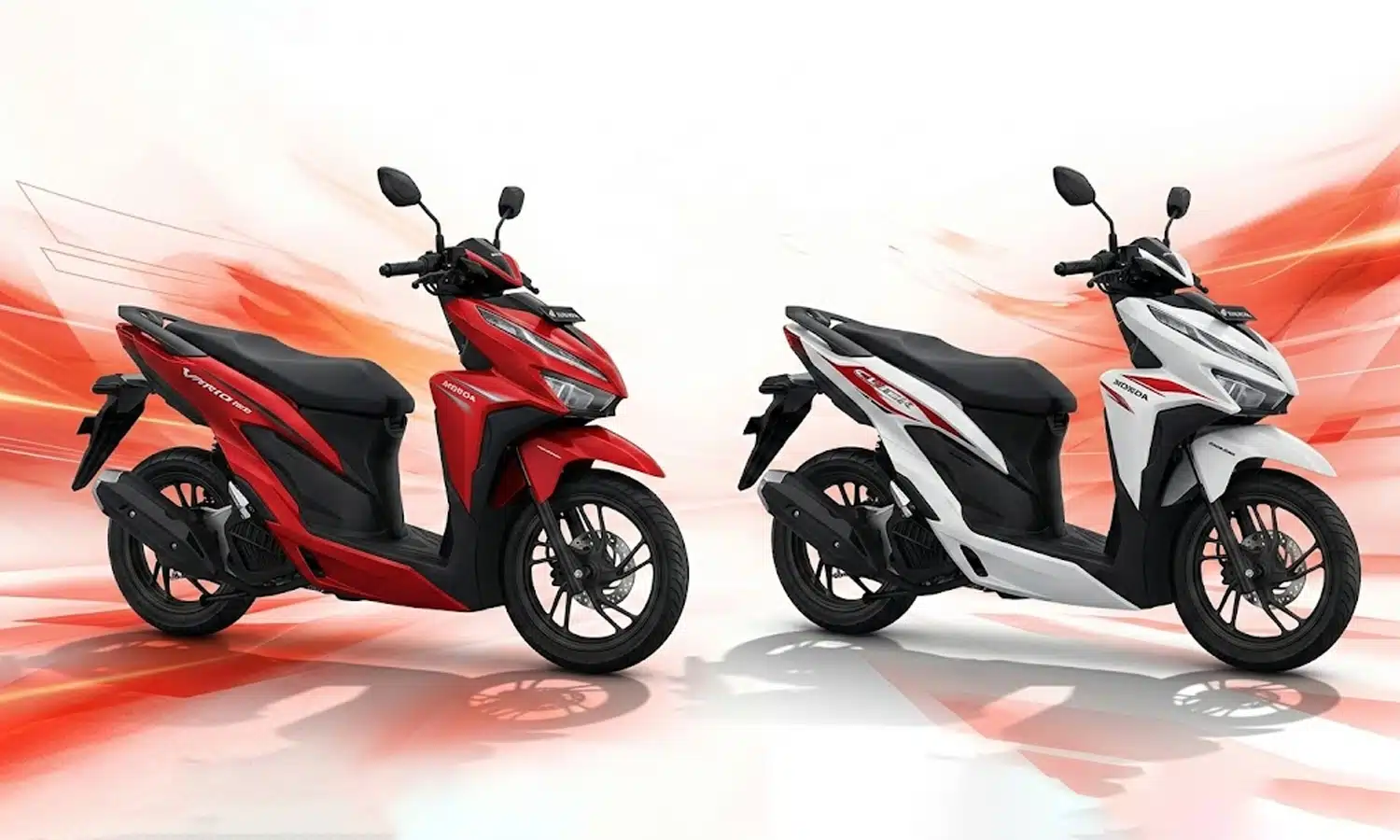
The global motorcycle industry continues to evolve rapidly, driven by advances in technology, changing rider preferences, and a growing focus on sustainability. As we approach 2026, several exciting trends are set to redefine how motorcycles are designed, ridden, and experienced. From cutting-edge electric innovations to smarter safety systems, here’s a look at the major motorcycle trends expected in 2026. Electric Motorcycles Become Mainstream Electric motorcycles have been gaining traction over the past few years, but by 2026, they are predicted to become a core segment of the market. Improvements in battery technology will deliver longer range, faster charging, and lighter weight — making electrics more practical for everyday riders.Major OEMs and startups alike are expected to roll out models that rival traditional petrol bikes in both performance and price. Urban commuters and eco-conscious riders will increasingly adopt electric motorcycles as infrastructure improves globally. Smart Connectivity & IoT Integration Connected features are no longer limited to cars — motorcycles are catching up. In 2026, we expect to see deeper smartphone integration, GPS routing, ride analytics, and remote diagnostics built into many new models.Internet of Things (IoT) connectivity will allow riders to receive real-time alerts, track vehicle health, and even update firmware over the air. This connectivity trend not only enhances convenience but also builds safer, more informed riding experiences. Clutchless operation Multiple charging options TFT full-color instrumentation with smartphone connectivity Convenient storage box Advanced Rider Assistance Systems (ARAS) Safety is evolving beyond helmets and jackets. By 2026, Advanced Rider Assistance Systems (ARAS) will be more common on motorcycles. Features like: Collision warning Blind-spot detection Adaptive cruise control Lane departure alerts …will increasingly be offered on touring and adventure bikes, making riding safer for all experience levels. Lightweight Materials & Sustainable Manufacturing Manufacturers are pushing toward sustainability, both in emissions and in materials. Expect more motorcycles built with lightweight composites, recycled metals, and eco-friendly plastics. These choices improve fuel efficiency and performance while reducing environmental impact.Sustainable manufacturing processes and supply chain transparency will also become more important to riders who value ethical production. Personalization and Modular Design In 2026, riders will demand bikes that reflect their personality. Modular design kits — allowing easy swapping of seats, fairings, luggage, or infotainment — will become mainstream. Aftermarket parts and accessories will also grow, enabling riders to customize ergonomics and style without major mechanical changes. Integrated AR & Navigation Displays Heads-up displays (HUDs) and augmented reality navigation — once sci-fi — are expected to make their way into premium motorcycle cockpits. These systems can provide turn-by-turn guidance, hazard alerts, and ride stats right in the rider’s line of sight, improving safety and convenience. Conclusion As we move toward 2026, the motorcycle industry is poised for transformation. From electric propulsion and connectivity to advanced safety and sustainable design, new trends are reshaping the way riders live the two-wheel experience. Whether you’re a commuter, weekend explorer, or performance enthusiast, these trends will influence what you ride next. For riders and businesses in the motorcycle world, staying updated with these motorcycle trends 2026 is key to making smarter choices and embracing the future of mobility.

When to Replace Your Motorcycle Battery: Signs & Maintenance Tips
replace your motorcycle battery

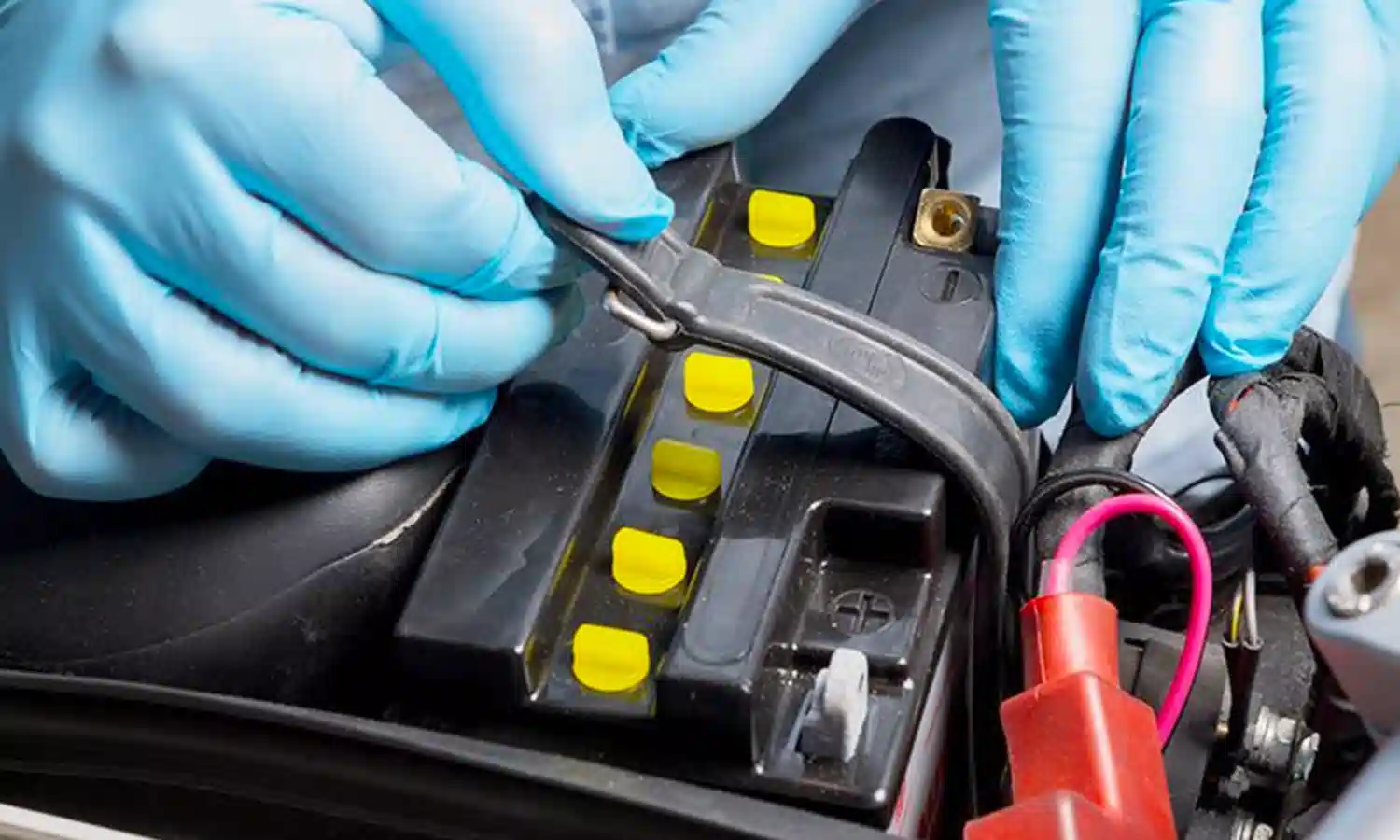
A motorcycle battery may look small — but it’s the heart of your bike’s electrical system. Without a healthy battery, starting becomes difficult, lights may flicker, and overall performance drops. Many riders are unsure when to replace their motorcycle battery and often wait until it completely dies. In this article, we’ll guide you through the signs of a weak battery, maintenance tips, and when it’s the right time for a replacement. 1. How Long Does a Motorcycle Battery Last? On average, a motorcycle battery lasts 2–4 years, depending on riding habits, maintenance, weather, and battery quality. Riders who leave their motorcycles unused for long periods or ride in extreme temperatures (too hot or too cold) may experience faster battery degradation. If your bike is already past the 3-year mark, it’s a good time to check the battery health and consider a replacement. 2. Common Signs Your Battery Needs Replacement Here are the warning signs that indicate your battery may be failing: Hard to start the engine or slow cranking Dim headlights or flickering signals Electrical accessories not working properly Battery voltage drops below 12V Frequent need for charging after parking If you notice two or more of these symptoms, it’s likely time to replace your motorcycle battery. 3. How to Check Battery Condition Use a multimeter to measure the voltage. Here’s a quick guide: Battery Condition Voltage Reading Excellent 12.6V – 13.2V Weak / Aging 12.3V – 12.5V Replace Soon Below 12.3V Dead Battery 11.8V or lower You can also visit a motorcycle workshop to perform a load test, which is more accurate in detecting battery health. 4. Tips to Extend Battery Life To keep your battery running longer, follow these tips: Start your motorcycle regularly Use a trickle charger during long storage periods Clean terminals from corrosion Avoid cheap battery brands Check charging system (stator & regulator) Good maintenance may help your battery last an extra year — saving both time and money. Final Thoughts Replace Your Motorcycle Battery Knowing when to replace your motorcycle battery is essential for reliable performance and safe riding. Don’t wait until your bike refuses to start. Pay attention to voltage, symptoms, and battery age. If you’re looking for genuine motorcycle parts and reliable accessories, PT. Nagoya Motor International is ready to support riders worldwide with quality spare parts and trusted components.

Signs of Damaged Motorcycle Suspension and the Dangers of Ignoring It

A motorcycle’s suspension system plays a crucial role in comfort, stability, and overall safety. When the suspension begins to fail, riders often overlook the early symptoms because the changes feel gradual. However, understanding the signs of motorcycle damage suspension is essential — not just to maintain performance, but to prevent dangerous riding conditions. In this article, we explore the key indicators of suspension problems and the risks of leaving them untreated. 1. Unstable Handling and Lack of Control One of the most common signs of suspension damage is unstable handling. Your motorcycle may feel wobbly, shaky, or unusually sensitive when cornering.A healthy suspension keeps the wheels firmly connected to the road, allowing smooth control. When components like the front fork or rear shock begin to fail, you lose the stability needed for safe maneuvering — especially during high-speed turns. 2. Excessive Bouncing or Bottoming Out If your motorcycle bounces repeatedly after hitting a bump, it’s a sign that the suspension is no longer absorbing impact effectively.“Bottoming out” — when the suspension compresses fully and hits its limit — is another red flag. This often indicates worn-out springs or leaking dampers inside the suspension system.Ignoring this issue may lead to severe damage to the frame, shock mounts, or even the front fork seals. Source: Freepik 3. Uneven Tire Wear Damaged suspension puts uneven pressure on the tires, causing them to wear at abnormal angles. Riders may notice: Uneven tread depth Feathered edges Rapid wear on one side This doesn’t only reduce tire lifespan, but also increases the risk of losing traction during braking or cornering. 4. Oil Leaks Around the Fork or Shock Absorber Oil leakage is one of the clearest visual signs of suspension damage.If you see oil stains around the front fork or rear shock absorber, the seals may be worn or broken. Once suspension oil starts leaking, damping performance decreases drastically and can affect braking distance and cornering stability. 5. Strange Noises During Riding A healthy suspension works quietly. But damaged components may produce: Clunking Creaking Knocking sounds These noises often stem from loose bolts, worn bushings, or damaged springs. If ignored, these problems can escalate into complete suspension failure. The Dangers of Ignoring Suspension Problems Riding with damaged suspension isn’t just uncomfortable — it’s dangerous.Here’s what can happen if you let it slide: Longer braking distance due to unstable wheel contact. Increased risk of sliding during wet conditions or sharp turns. Reduced handling precision, especially at high speeds. Severe damage to other components, leading to expensive repairs. In extreme cases, sudden suspension failure can lead to loss of control and serious accidents. Final Thoughts Motorcycle Suspension Damage Signs Your motorcycle’s suspension system is more than just a comfort feature — it’s a critical safety component. Recognizing the signs of motorcycle suspension damage early can save you from dangerous riding conditions and costly repairs. For riders seeking high-quality, reliable spare parts, PT. Nagoya Motor International provides genuine motorcycle components to keep your bike performing safely and smoothly.

Does Using a Racing Exhaust Damage Your Motorcycle Engine?

racing exhaust motorcycle damage

Many motorcycle enthusiasts wonder whether installing a Racing Exhaust can damage for their engine. While these aftermarket components can improve performance and sound, understanding how they interact with your motorcycle’s engine is essential before making modifications. The Role of an Exhaust System The exhaust system is responsible for expelling combustion gases efficiently while controlling noise and emissions. A racing exhaust typically reduces weight and minimizes backpressure, allowing the engine to breathe more freely.This can improve acceleration and overall engine response, but it may also affect how the engine performs at different RPM ranges. Potential Risks for Engine Health Installing a racing exhaust isn’t inherently dangerous, but it may lead to issues if not paired with proper tuning. Common risks include: Lean Air-Fuel Mixture: Less backpressure can make the engine run lean, increasing combustion temperature. Overheating: Continuous operation at higher temperatures can strain engine components. Reduced Longevity: Without proper tuning, long-term stress on pistons, valves, and gaskets can shorten engine life. Source: Freepik How to Safely Use a Racing Exhaust To enjoy the performance benefits without risking engine damage: Re-jet or remap fuel injection: Adjust the fuel-air mixture for the new exhaust. Check engine temperature regularly: Ensure the engine isn’t running hotter than usual. Use high-quality exhaust components: Avoid cheap knock-offs that may leak or fail prematurely. With correct installation and tuning, a racing exhaust can improve performance without significantly harming your engine. When It Becomes Dangerous Problems usually arise when riders: Install an exhaust without tuning. Combine it with aggressive riding or extended high RPMs. Use low-quality or damaged components. Simple preventive steps like routine maintenance, quality parts, and professional installation go a long way toward keeping your engine safe. Source: Freepik Final Thoughts Racing Exhaust Motorcycle A racing exhaust can be a great addition for performance and sound — but only if installed responsibly. Proper tuning, regular maintenance, and monitoring engine health are key to enjoying the benefits without compromising engine life. For genuine performance parts and advice, PT. Nagoya Motor International offers high-quality motorcycle accessories for riders who want both performance and reliability.

EICMA 2025 Day 3: Highlights, Announcements, and Buzz from Milan

EICMA 2025 Day 3

EICMA 2025 day 3 in Milan kept the momentum alive with major announcements, new motorcycle reveals, and thrilling live performances. Crowds filled every corner of Fiera Milano as brands, media, and fans gathered to witness what’s next in the world of two wheels. New Models and Technology In EICMA 2025 Day 3 Several major manufacturers used Day 3 to unveil updated models and future concepts. Electric mobility continued to dominate headlines — with new e-bike and scooter platforms introduced by both established and emerging brands.Yamaha and Honda presented refinements to their sport and adventure lineups, while smaller European manufacturers drew attention with compact EV solutions designed for urban use.The trend toward lightweight, eco-efficient design seems stronger than ever, reflecting a global shift in both consumer demand and environmental focus. MotoLive Arena: The Heart of the Action Outside the exhibition halls, the MotoLive Arena stole the spotlight once again. Stunt riders, motocross legends, and freestyle athletes delivered jaw-dropping performances throughout the day.The atmosphere was electric as thousands gathered to watch precision stunts, jump sequences, and demo races that brought the energy of real-world riding to the show floor. MotoLive Arena: The Heart of the Action Outside the exhibition halls, the MotoLive Arena stole the spotlight once again. Stunt riders, motocross legends, and freestyle athletes delivered jaw-dropping performances throughout the day.The atmosphere was electric as thousands gathered to watch precision stunts, jump sequences, and demo races that brought the energy of real-world riding to the show floor. Source : EICMA Industry Trends and Global Networking Beyond the thrill and noise, Day 3 also served as a key day for networking and trade discussions. Importers, parts manufacturers, and distributors from across the globe were seen engaging in meetings and exploring collaboration opportunities.With more than 2,000 exhibitors from over 40 countries, EICMA continues to confirm its role as a central hub for global motorcycle business — a place where innovation meets opportunity. What’s Next in EICMA 2025 Day 3 As EICMA heads into its final days, the buzz shows no sign of slowing down. Visitors can expect more concept reveals, press conferences, and product showcases. Whether you’re following from home or attending in Milan, Day 3 proved one thing clearly: the motorcycle world is not just evolving — it’s accelerating. A Broader View from Indonesia While Milan remains the center of attention this week, motorcycle communities and suppliers around the world are also watching closely. In Indonesia, companies like Nagoya Motor International continue to follow global trends from EICMA, ensuring that quality parts and accessories remain aligned with international standards. From local workshops to export markets, the influence of events like EICMA is truly worldwide.

What’s New at EICMA 2025: The Future of Motorcycles Unleashed

new at eicma 2025

The EICMA 2025 Motorcycle Exhibition has officially opened its doors in Milan! Known as the world’s largest motorcycle event, EICMA brings together the biggest names in the industry — from Yamaha and Ducati to Kawasaki, Honda, and emerging electric brands. This year’s event focuses on sustainability, smart mobility, and next-generation design, showing how fast the motorcycle world is evolving. 15 Highlights New at EICMA 2025 Yamaha’s Hydrogen Prototype – A bold step toward carbon-neutral engines. Honda’s AI Riding Assist 2.0 – Smarter, safer, and self-balancing motorcycles. Kawasaki’s Hybrid Ninja – Combining gas power with electric performance. Ducati’s Lightweight EV Concept – A future-ready superbike with instant torque. BMW Motorrad Vision Next-Gen – Futuristic design meets intelligent safety. Triumph Tiger 900 Update – Lighter frame and improved off-road dynamics. Suzuki GSX-R1000R Evolution – New aerodynamics and engine refinement. Royal Enfield Electric Classic – Heritage meets innovation. CFMoto 800NK GP – Affordable performance with racing DNA. Zero Motorcycles SR/F 2025 – Improved battery range and charging time. Harley-Davidson LiveWire S2 Mulholland – American muscle goes fully electric. Aprilia RS 457 – The perfect balance between performance and accessibility. Moto Guzzi V100 Stelvio – Adventure-touring redefined. EICMA Tech Pavilion – Focused on connected helmets, EV batteries, and smart riding gear. Custom Zone & Start-Up Area – Featuring young designers and future mobility innovators. Why it Matters EICMA 2025 is more than just a showcase — it’s a preview of where the motorcycle world is heading. From AI and hybrid technology to fully electric superbikes, every brand is racing toward smarter, greener, and more connected riding experiences. Stay tuned on Nagoya Motor for daily updates, highlight photos, and exclusive insights straight from the world of motorcycles.

Nagoya Motor Announces: EICMA 2025 Officially Starts in Milan!

eicma 2025

Hey bike enthusiasts! Big news from the world of two wheels — EICMA 2025, the world’s largest motorcycle exhibition, has officially kicked off today in Milan, Italy. As one of the most anticipated events in the motorcycle industry, EICMA showcases the latest models, accessories, and global trends that shape the future of riding. Event Details Dates: November 4–9, 2025 Public Days: November 6–9, 2025 Venue: Fiera Milano Rho, Milan, Italy Edition: 82nd, with the theme “That’s Amore”, celebrating the passion for motorcycles Event Highlights Here’s what’s happening at EICMA 2025 that motorcycle fans and industry insiders shouldn’t miss: World Premieres: Top brands unveiling the latest motorcycles and cutting-edge technology. MotoLive Arena: Outdoor stunt shows, live racing, and action-packed performances. Start-Up & Innovation Zones: Showcasing electric mobility, urban solutions, and safety innovations. Champions Charity Race: Star riders racing for a good cause, a must-watch for fans. These areas reflect the latest trends in motorcycles, accessories, and future mobility — perfect insight for anyone in the industry or passionate about motorbikes. TIMETABLE EVENT EICMA 2025 PUBLIC: Thursday 6 November 2025 from 9.30 a.m. to 6.30 p.m. Friday 7 November 2025 from 9.30 a.m. to 6.30 p.m. Saturday 8 November 2025 from 9.30 a.m. to 6.30 p.m. Sunday 9 November 2025 from 9.30 a.m. to 6.30 p.m. TRADE VISITORS: Tuesday 4 November 2025 from 1.00 p.m. to 7.30 p.m. Wednesday 5 November 2025 from 8.30 a.m. to 7.30 p.m. We remind you that entry is permitted only to visitors aged 18 and over PRESS: Tuesday 4 November 2025 from 8.30 a.m. to 7.30 p.m. Wednesday 5 November 2025 from 8.30 a.m. to 7.30 p.m. For detail time table and other detail you can check here! CONCLUSION EVENT EICMA 2025 At Nagoya Motor, we are always tuned into global motorcycle trends. EICMA 2025 is the perfect reference to ensure our spare parts and accessories remain aligned with the latest designs, technologies, and innovations. Our goal is to keep providing customers with quality, reliability, and cutting-edge products inspired by global trends.

How to Read Motorcycle Tire Codes and Choose the Right Tires

read motorcycle tire codes

When it comes to motorcycle performance and safety, your tires play a massive role. But have you ever looked at the numbers and letters on your tire and wondered what they actually mean? Understanding motorcycle tire codes helps you pick the perfect tire for your riding style and ensures your bike performs at its best. Understanding Motorcycle Tire Size and Type Each motorcycle tire has a unique code printed on its sidewall — something like 120/70ZR17 (58W). This isn’t just random data. The first number (120) indicates the tire’s width in millimeters. The second number (70) is the aspect ratio, which tells you how tall the tire’s sidewall is compared to its width.The letter Z represents the speed rating, and R17 means the tire fits a 17-inch rim. Knowing these details ensures your tire fits perfectly with your motorcycle’s specifications. How to Read the Motorcycle Tire Code (With Example) Let’s break it down: 120 → Tire width (in mm) 70 → Aspect ratio ZR → Construction type & speed rating 17 → Rim diameter (58W) → Load and speed index For example, if you’re a sport bike rider, you’ll often use a 120/70ZR17 front tire. Touring bikes might have different ratios to offer better comfort and stability. Always refer to your motorcycle manual before purchasing. Choosing the Right Tire for Your Riding Style Different riders need different tires. Sport riders should go for high-grip tires for better cornering. Touring riders need tires with long-lasting tread. Off-road riders prefer knobby tires for extra traction. At Nagoya Motor International, we offer a wide range of genuine motorcycle tires and accessories suitable for any riding style — ensuring performance, safety, and comfort on every ride.

When Should You Replace Motorcycle Parts Like Oil, Brake Pads, and Chain?

Keeping your motorcycle in top condition requires more than just regular cleaning — it’s about knowing when to replace key components like engine oil, brake pads, and the drive chain.Many riders underestimate how crucial a proper motorcycle maintenance schedule is for performance, safety, and fuel efficiency.Neglecting these small details can lead to bigger problems over time — from poor braking response to engine damage.In this guide, we’ll help you understand when and why you should replace these essential parts to keep your bike running like new. Engine Oil — Change Regularly for Smooth Performance Engine oil is the heart of your motorcycle’s performance. It lubricates the engine, reduces friction, and prevents overheating.Over time, oil loses its viscosity and ability to protect engine components. Most mechanics recommend changing your oil every 2,000–3,000 km for daily use, or sooner if you often ride in heavy traffic or extreme conditions.Always use high-quality oil that matches the manufacturer’s specifications — this ensures your engine runs smoothly and lasts longer. Brake Pads — Replace Before They Wear Out Completely Worn-out brake pads are not only dangerous but can also damage your brake discs.You should check your brake pad thickness every few months. If it’s less than 2 mm, it’s time for a replacement.Squeaking sounds or reduced braking power are also early warning signs. Don’t wait until you feel metal grinding — changing pads early keeps you safe and saves money in the long run. Motorcycle Chain — Keep It Tight, Clean, and Lubricated Your motorcycle chain is one of the most hardworking components. It transfers power from the engine to the rear wheel.If it’s too loose, rusty, or stretched, it can reduce efficiency or even snap while riding.Clean and lubricate your chain every 500–700 km, and replace it every 15,000–20,000 km depending on usage.Always check for uneven wear or stiff links — these are signs it’s time for a new chain. Keep a Regular Replace Motorcycle Parts Following a consistent maintenance schedule helps prevent costly repairs and unexpected breakdowns.Make a habit of checking vital components every few weeks. Keeping a record of oil changes, brake replacements, and chain maintenance will also help track your motorcycle’s health. Conclusion, When Should You Replace Motorcycle Parts Motorcycle maintenance isn’t just about keeping your ride smooth — it’s about safety and long-term reliability. By regularly changing the oil, replacing brake pads, and maintaining the chain, you’re protecting your investment and ensuring every ride feels just like new.

How to Ship Motorcycle Spare Parts Abroad Safely (For Importers)

1. Choose Reliable Logistics Partners When ship motorcycle spare parts overseas, the first and most important step is choosing a trusted logistics company. A reliable freight forwarder or cargo service will ensure your shipment arrives safely and on time. Look for companies that provide tracking systems, insurance options, and experience in handling automotive goods. At PT. Nagoya Motor International, we often collaborate with export-forwarders who specialize in motor parts to guarantee smooth delivery. 2. Pack Spare Parts Properly Motorcycle parts vary in size, shape, and material — from small screws to large engine blocks. Improper packaging can cause serious damage during transit. Tips: Use bubble wrap or foam for fragile items. Pack heavy parts like crankcases or pistons in double-layered boxes. Clearly label boxes with “FRAGILE” or “HANDLE WITH CARE.” Use moisture-proof materials to protect against humidity during sea freight. Proper packing not only prevents damage but also builds trust with your international buyers. 3. Prepare Complete Export Documents International shipments require accurate documentation to clear customs smoothly. Commonly required papers include: Commercial invoice Packing list Certificate of origin Export license (if applicable) Missing or incorrect documents can delay delivery or cause extra charges. Always double-check every detail before dispatch. 4. Understand Import Regulations in the Destination Country Each country has its own rules for importing vehicle parts. Some may require certification, emission compliance, or labeling standards. Before shipping, communicate with your importer or local customs agent to ensure your products meet the destination requirements. 5. Choose the Right Shipping Method Depending on the urgency and type of parts, select the best method: Air Freight: Fast, suitable for small or high-value parts. Sea Freight: Economical for bulk shipments. Courier Services: Ideal for sample or urgent orders. Balancing cost, delivery time, and safety is key to maintaining customer satisfaction. Conclusion Ship Motorcycle Spare Parts Shipping motorcycle spare parts abroad requires proper planning, good packaging, and compliance with export regulations. By following these steps, you can minimize risk and build a solid reputation as a reliable supplier. For genuine and export-ready motorcycle parts, contact PT. Nagoya Motor International — trusted by global importers for quality and reliability.