Electric motorcycles are no longer just futuristic concepts or niche urban commuters. As we move closer to 2026, electric two-wheelers are becoming a serious contender against traditional petrol motorcycles. With rapid advancements in battery technology, charging infrastructure, and performance capabilities, many riders and industry players are asking the same question: are electric motorcycles ready to replace petrol bikes in 2026?
The Evolution of Electric Motorcycles
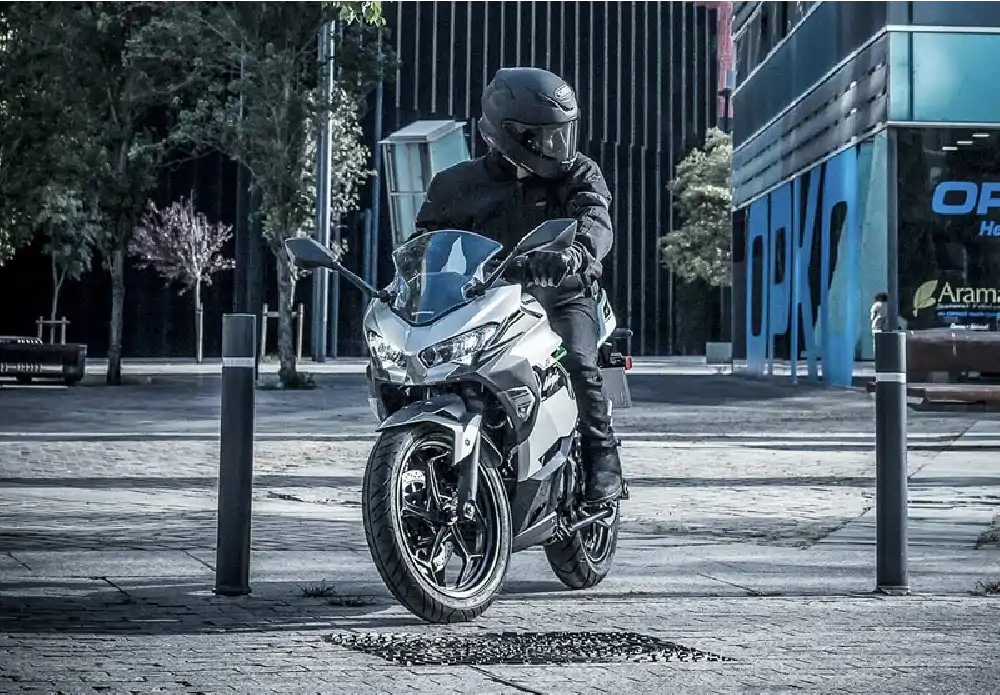
Over the past decade, electric motorcycles have evolved significantly. Early models were limited by short range, slow charging times, and high prices. By contrast, newer electric motorcycles offer improved acceleration, quieter operation, and lower maintenance requirements.
By 2026, industry analysts predict electric motorcycles will be more accessible, with better performance-to-price ratios and wider adoption in both developed and emerging markets.
Battery Technology and Riding Range
One of the biggest concerns for riders is range. In 2026, battery innovation is expected to deliver:
Longer riding range (200–300 km per charge)
Faster charging times
Lighter battery packs
Solid-state batteries and improved lithium-ion chemistry are projected to reduce weight while increasing energy density. This will make electric motorcycles more practical not only for city commuting but also for longer rides.
Charging Infrastructure and Market Readiness
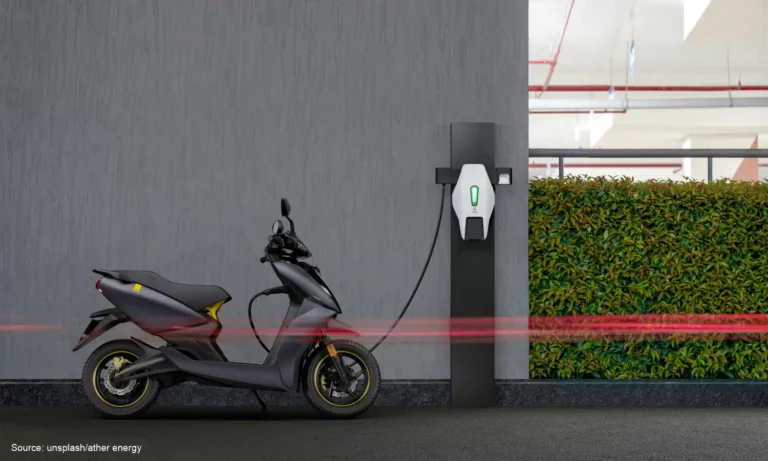
Charging infrastructure remains a critical factor. While urban areas are rapidly expanding charging stations, rural and cross-country routes still lag behind.
By 2026, governments and private sectors are expected to invest heavily in EV infrastructure, making electric motorcycles more viable for daily use — particularly in large cities and developed regions.
Also Read : Prediction trends motorcycle 2026
Impact on Spare Parts and Maintenance
Electric motorcycles have fewer moving parts than petrol engines. This means:
Less routine maintenance
No oil changes
Reduced mechanical wear
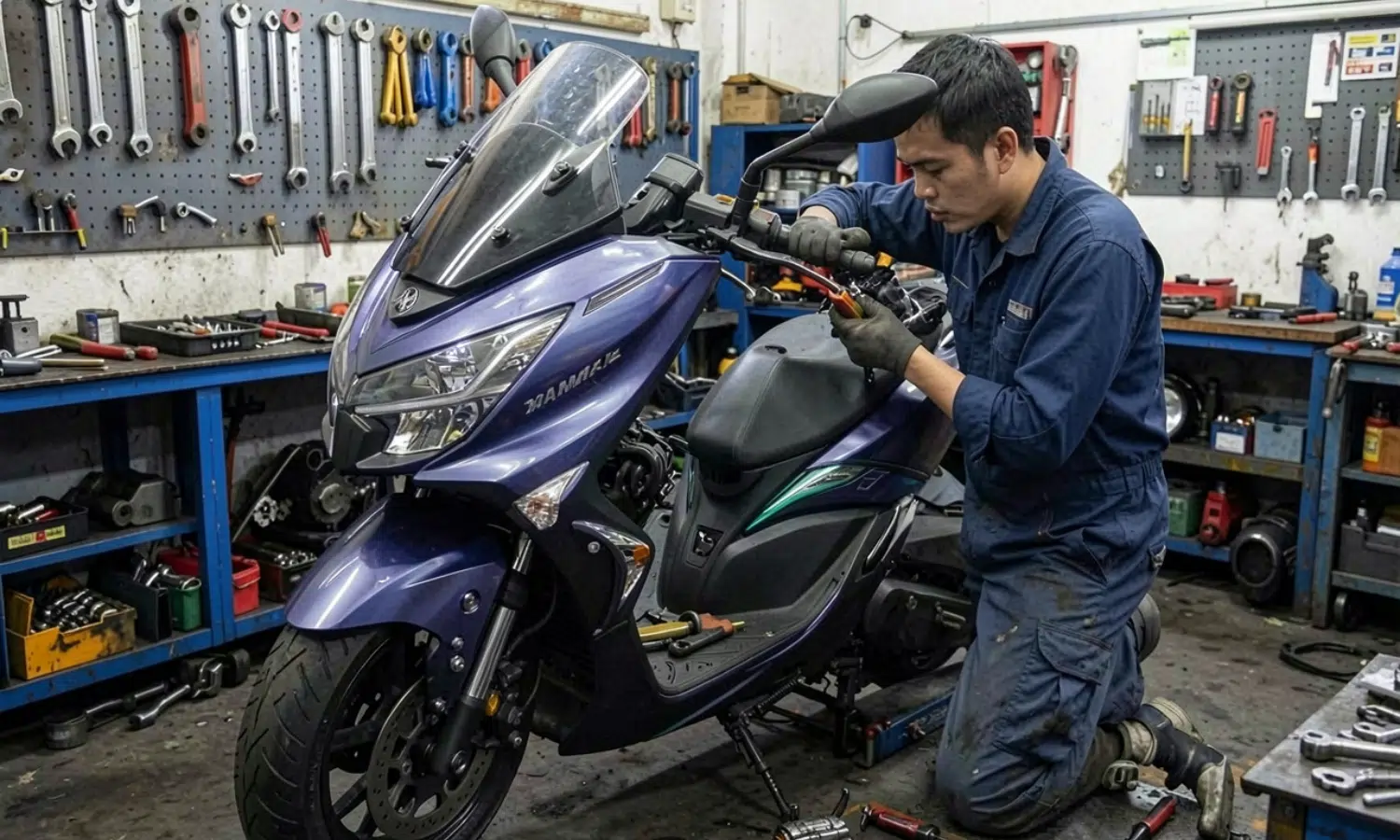
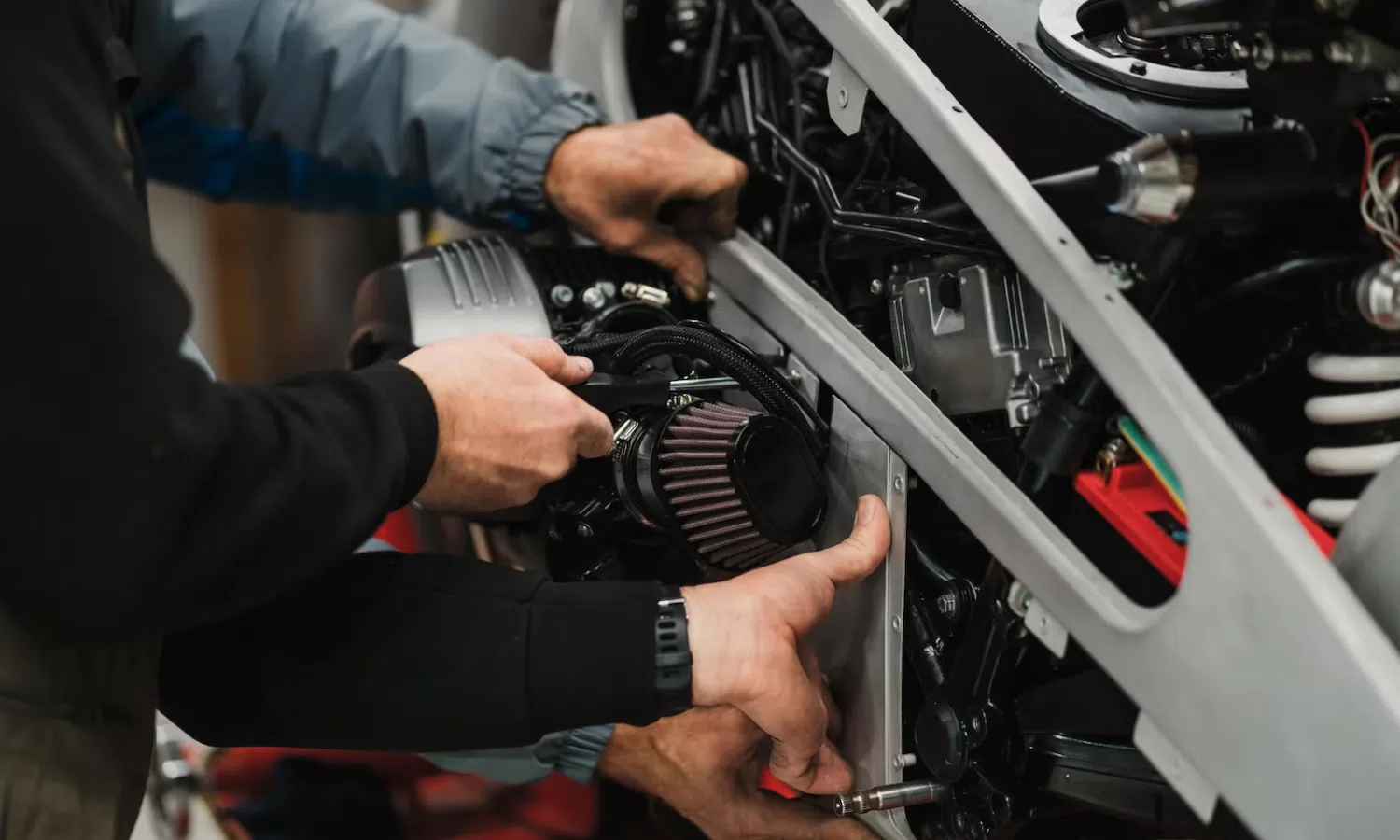
However, demand for electronic components, battery systems, controllers, and specialized accessories will rise. This shift will significantly influence the global motorcycle spare parts market.
Conclusion
Electric motorcycles are undeniably shaping the future of two-wheel mobility. By 2026, they will be more powerful, more reliable, and more widely accepted than ever before. While petrol motorcycles won’t disappear overnight, electric bikes are set to play a major role — especially in urban mobility and eco-focused markets.
For riders, distributors, and spare-parts suppliers, understanding this transition is essential to stay ahead in a rapidly changing motorcycle industry.