
Why does a motorcycles performance decline over time?
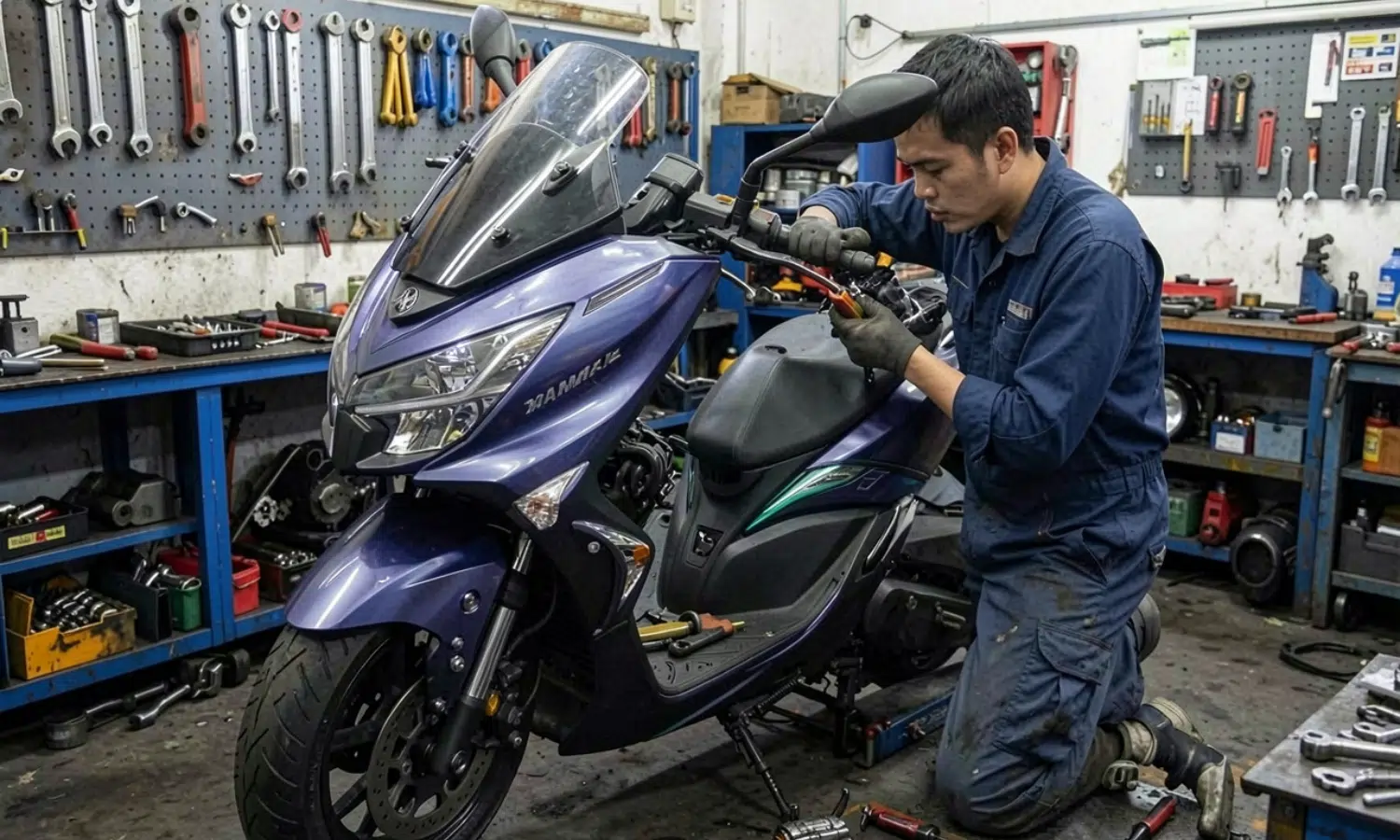
Have you ever felt like your motorcycles performance has declined or doesn’t feel the same as it used to? At first, the changes aren’t very noticeable. Maybe the acceleration feels a little weaker. The engine sound isn’t as smooth as usual. The overall riding experience feels… different. However, when you try to figure out what the problem is, everything seems fine. This is a common experience for many riders—and it usually doesn’t happen overnight. So, what’s actually going on? Performance Loss Happens Gradually Unlike sudden mechanical failures, performance decline often happens slowly. Because of this, many riders don’t notice it immediately. Over time, small changes start to add up: Slight power loss Less responsive throttle Reduced smoothness Since the change is gradual, it becomes your “new normal” — until one day you realize your bike doesn’t feel like it used to. Wear and Tear on Key Components Every motorcycle part has a lifespan. Even if nothing is technically “broken,” components naturally wear down with use. Parts that commonly affect performance include: Spark plugs Air filters CVT components (for automatic scooters) Engine oil quality Fuel system components As these parts degrade, the engine has to work harder, resulting in reduced efficiency and performance. Fuel and Combustion Efficiency Changes Another major factor is combustion efficiency. Over time: Fuel injectors may become less efficient Air intake systems can get dirty Carbon deposits may build up inside the engine These issues can affect how fuel burns inside the engine, leading to: Lower power output Higher fuel consumption Rougher engine feel Even if your motorcycle still runs, it may not be running optimally. Read Also : Top 5 Motorcycle Parts From Indonesia The Role of Maintenance Habits Regular maintenance plays a huge role in preserving performance. Skipping routine checks or delaying part replacements can accelerate performance decline. Simple things like: Late oil changes Dirty air filters Worn transmission components …can significantly impact how your motorcycle feels on the road. Many riders only react when something breaks — but performance loss often starts long before that. Why It Feels Different — Not Just Slower Interestingly, the issue is not always about speed. Sometimes, the motorcycle still reaches the same top speed, but: It takes longer to get there It feels less responsive It vibrates more It sounds rougher That “feeling” is often what riders notice first. Final Thoughts For Why Motorcycles Performance Decline If your motorcycle doesn’t feel like it used to, it doesn’t necessarily mean something is seriously wrong. In most cases, it’s the result of gradual wear, reduced efficiency, and delayed maintenance. The good news?Most of these issues can be improved — or even reversed — with proper care and attention to key components. Understanding these early signs can help you maintain not just your motorcycle’s performance, but also the riding experience that made you enjoy it in the first place.
How Maxi Scooters Became One of the Most Popular Motorcycle Segments
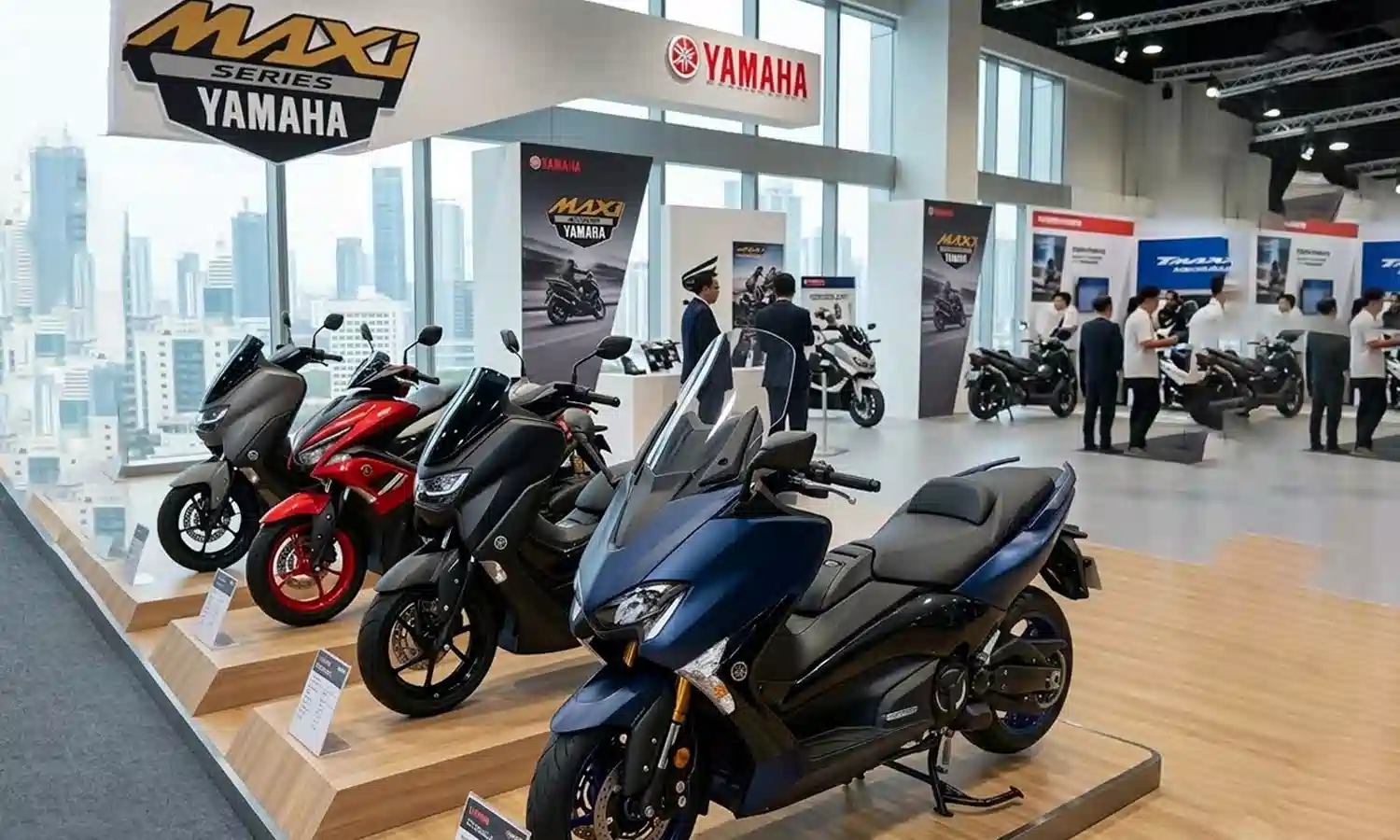
Over the past decade, the motorcycle industry has seen a significant shift in consumer preferences. Among the fastest-growing segments is the maxi scooter category. Once considered a niche product, maxi scooters are now one of the most popular choices for urban riders who want both comfort and performance. Models such as the Yamaha NMAX, Yamaha XMAX, and the flagship Yamaha TMAX have helped redefine what a scooter can offer. These motorcycles combine practicality with premium features, making them attractive to both commuters and enthusiasts. But what exactly is driving the rise of the maxi scooter market? Comfort and Practicality for Daily Commuting One of the main reasons for the growing popularity of maxi scooters is comfort. Compared to smaller scooters, maxi scooters typically offer larger seats, better riding ergonomics, and improved suspension systems. This makes them ideal for longer rides and daily commuting in busy urban environments. Riders can enjoy a more relaxed riding position while still benefiting from the convenience of automatic transmission. For many urban riders, this balance between comfort and convenience is a major advantage. More Power Without Losing Convenience Traditional scooters are known for being lightweight and easy to ride, but they often lack the power needed for highway or long-distance travel. Maxi scooters address this limitation by offering larger engines and stronger performance. For example, the Yamaha XMAX provides enough power for both city traffic and longer road trips, while the Yamaha TMAX delivers performance that rivals some mid-sized motorcycles. Despite the increased power, these scooters still maintain the simplicity of automatic transmission, making them accessible to a wide range of riders. Premium Features and Modern Technology Another factor contributing to the growth of the maxi scooter segment is the integration of modern technology. Many maxi scooters now include features that were once limited to premium motorcycles. These features may include: Smart key systems Traction control ABS braking systems Digital instrument clusters Smartphone connectivity With these additions, maxi scooters are no longer seen as basic commuter vehicles. Instead, they are becoming sophisticated mobility solutions for modern riders. Strong Demand in Urban Markets The popularity of maxi scooters is particularly noticeable in regions with dense urban populations, such as Indonesia, Thailand, and Vietnam. In these markets, traffic congestion and long commuting distances make scooters an efficient transportation option. Maxi scooters provide the additional comfort and power that many riders are looking for as cities continue to grow. The Future of Maxi Scooters Looking ahead, the maxi scooter segment is expected to continue expanding. Manufacturers are investing in improved engine efficiency, advanced safety technologies, and even hybrid or electric powertrains. As urban mobility evolves, maxi scooters may become an even more important part of the motorcycle landscape. Final Thoughts The rise of maxi scooters reflects changing rider expectations. Today’s riders want motorcycles that are not only practical but also comfortable, powerful, and technologically advanced. With models like the Yamaha Lexi, Yamaha Aerox, Yamaha NMAX, Yamaha XMAX, and Yamaha TMAX leading the way, the maxi scooter segment has evolved into one of the most dynamic and influential categories in the global motorcycle market.
Why Japanese Motorcycles Dominate the Global Market
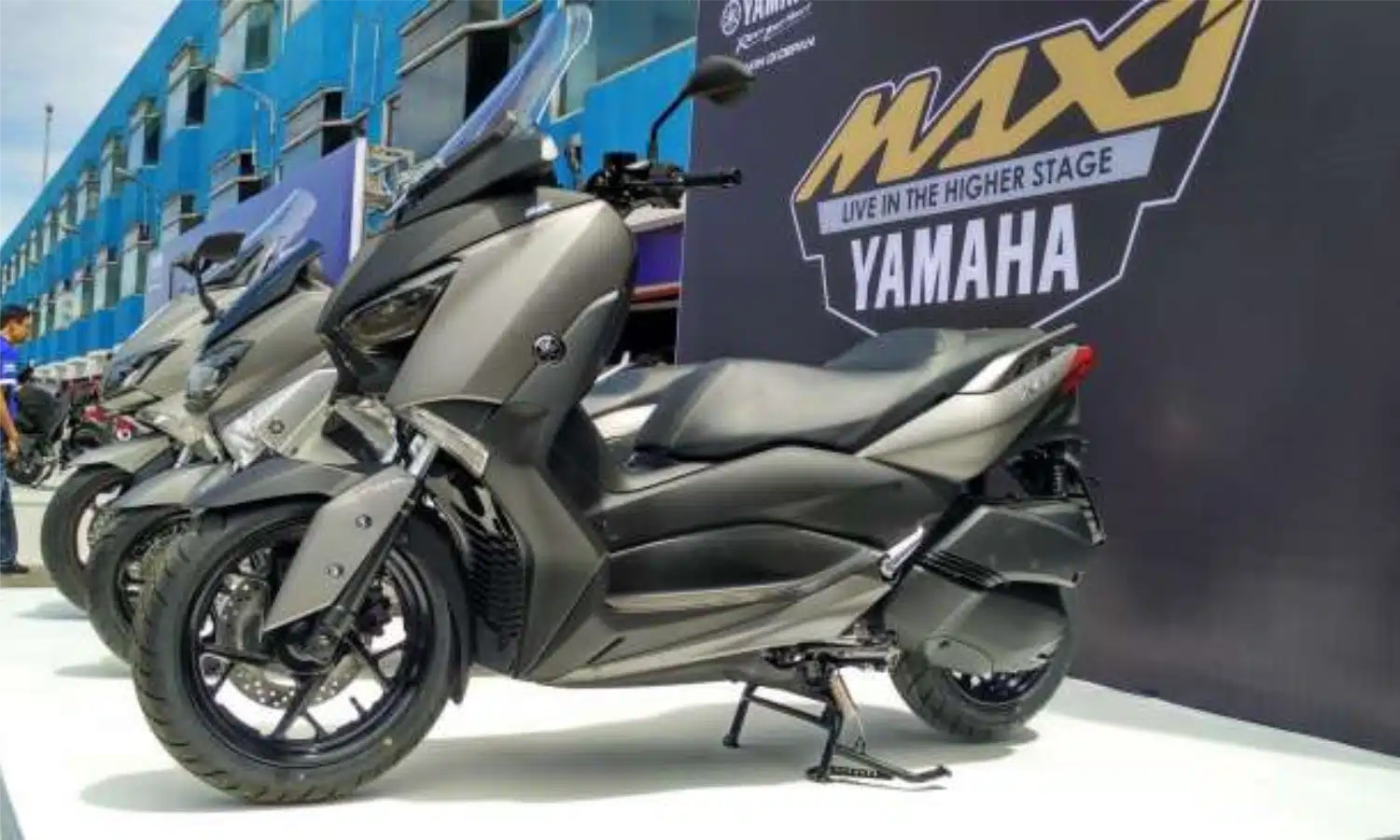
For decades, Japanese motorcycle manufacturers have consistently dominated the global motorcycle industry. From small urban scooters to high-performance superbikes, brands from Japan have built a reputation for reliability, innovation, and global reach. Companies like Honda, Yamaha, Suzuki, and Kawasaki have shaped the motorcycle market for decades. Their products are sold in almost every region of the world, from Southeast Asia and Europe to North America and Africa. But what exactly makes Japanese motorcycles so dominant globally? A Reputation Built on Reliability One of the biggest reasons behind the success of Japanese motorcycles is their reputation for reliability. Riders around the world often associate Japanese brands with engines that can run smoothly for years with proper maintenance. This reputation was built over decades through consistent engineering standards and strict manufacturing quality control. For everyday riders, reliability matters just as much as performance, especially in regions where motorcycles are used as primary transportation. Because of this trust, Japanese brands have been able to maintain strong market positions across both developed and emerging markets. Efficient Manufacturing and Global Production Another key factor behind the global dominance of Japanese motorcycles is their manufacturing strategy. Japanese companies were among the first to develop highly efficient production systems that balance quality with cost efficiency. Over time, these manufacturers expanded their production networks worldwide. Many motorcycles are now assembled in countries such as Indonesia, Thailand, and India. This allows brands to reduce logistics costs and adapt products to local markets more effectively. By combining Japanese engineering standards with localized production, manufacturers can offer competitive pricing while maintaining quality. Strong Global Distribution Networks Japanese motorcycle brands also benefit from well-established global distribution networks. Over the years, they have built strong relationships with dealerships, distributors, and service centers across different regions. This network ensures that customers have easier access to motorcycles, spare parts, and maintenance services. In many countries, the availability of spare parts and reliable service plays a major role in purchasing decisions. A strong after-sales ecosystem reinforces long-term brand trust and encourages repeat purchases. Innovation and Technology Japanese manufacturers have also played a major role in advancing motorcycle technology. Many industry innovations have been introduced by these companies, including improvements in engine efficiency, safety systems, and electronic rider aids. From entry-level commuters to high-performance machines, Japanese brands continue to invest heavily in research and development. This constant innovation helps them remain competitive even as new manufacturers emerge in the global market. A Balance Between Performance and Practicality Another key strength of Japanese motorcycles is their ability to balance performance with practicality. While some brands focus purely on speed or style, Japanese manufacturers often design motorcycles that are both reliable and user-friendly. This balance appeals to a wide range of riders — from daily commuters to enthusiasts. Final Thoughts Why Japanese motorcycles global market The dominance of Japanese motorcycles in the global market did not happen overnight. It is the result of decades of engineering consistency, efficient manufacturing strategies, strong global networks, and continuous innovation. As the motorcycle industry evolves with new technologies and changing mobility trends, Japanese manufacturers remain among the most influential players shaping the future of two-wheel transportation.
Same Motorcycle, Different Name: Why Brands Rebadge Models Across Countries
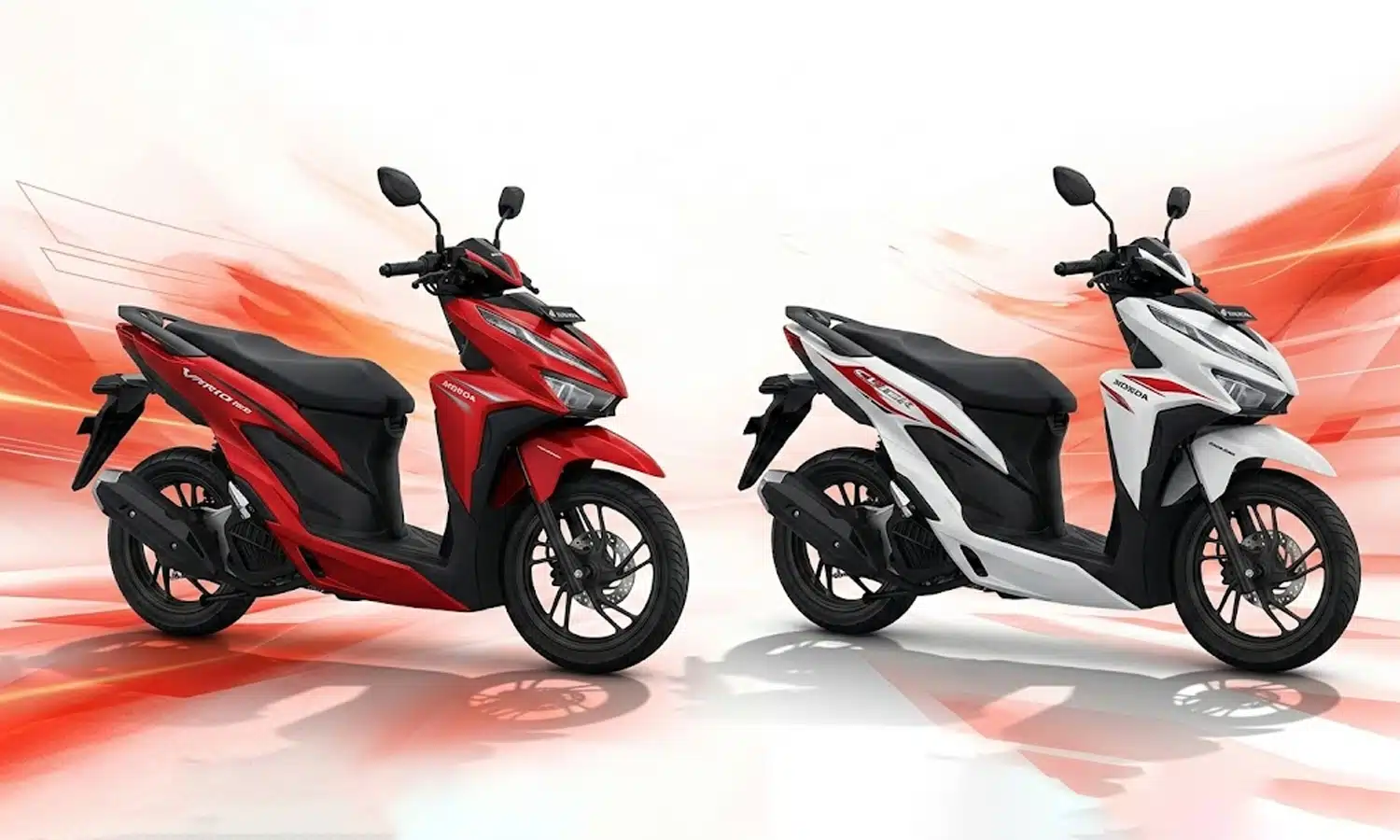
Same Motorcycle Different Name – If you follow motorcycle launches across Southeast Asia, you may have noticed something interesting. A model that looks familiar in Indonesia might carry a completely different name in Thailand or Vietnam. The design is the same. The engine is the same. Sometimes even the color options are identical. Yet the badge says something else. This is not a coincidence — it is strategy. The Vario vs Click Case A clear example comes from Honda. In Indonesia, one of the brand’s most popular scooters is the Honda Vario. However, in Thailand, the same platform is marketed as the Honda Click. Underneath the branding differences, both scooters share core engineering DNA. Engine displacement, chassis structure, and general styling direction are largely aligned. So why change the name? Because brand equity differs per country. “Click” has stronger historical recognition in Thailand, while “Vario” carries more identity weight in Indonesia. Rather than forcing a single global name, Honda optimizes branding per market. It is marketing precision — not inconsistency. The Mio Family and Regional Variations Another interesting case comes from Yamaha. The Yamaha Mio has long been one of the foundational scooters in Indonesia’s automatic segment. But in other markets, the same base concept has appeared under different sub-names and positioning strategies. In some countries, it evolved into sportier or more premium-styled derivatives. In others, the naming shifted entirely to align with local branding hierarchies. Even when the engine platform remains similar, Yamaha often adjusts: Visual identity Feature packaging Target demographic messaging The result is a product that feels locally tailored, despite sharing global engineering roots. Why Manufacturers Do This There are several key reasons behind this rebadging strategy: 1. Historical Brand Strength A name that resonates in one country might mean nothing in another. Keeping a strong local name preserves consumer trust. 2. Market Positioning The same motorcycle might be positioned as entry-level in one country but mid-tier in another. A name change helps control perception. 3. Competitive Landscape If a rival brand dominates a certain naming style or category label in a region, manufacturers may adapt to compete more effectively. 4. Production and Distribution Structures Joint ventures and localized assembly can also influence branding decisions, especially in markets with domestic manufacturing incentives. Global Platform, Local Identity Modern motorcycle development is expensive. Manufacturers design modular platforms to serve multiple regions efficiently. That means one engine architecture can power several models across different countries. But efficiency alone is not enough. Identity matters. Instead of redesigning motorcycles entirely for each market, brands fine-tune the badge, narrative, and positioning. It is a balance between global scale and local relevance. For consumers, this insight changes perspective. A review from Thailand might be more relevant to Indonesian buyers than expected — even if the nameplate differs. In today’s motorcycle industry, what you see on the badge does not always tell the whole story. And sometimes, the only difference between two “different” bikes… is the name.
OEM and Genuine Motorcycle Parts Trends in 2026: Why Quality Matters More Than Ever
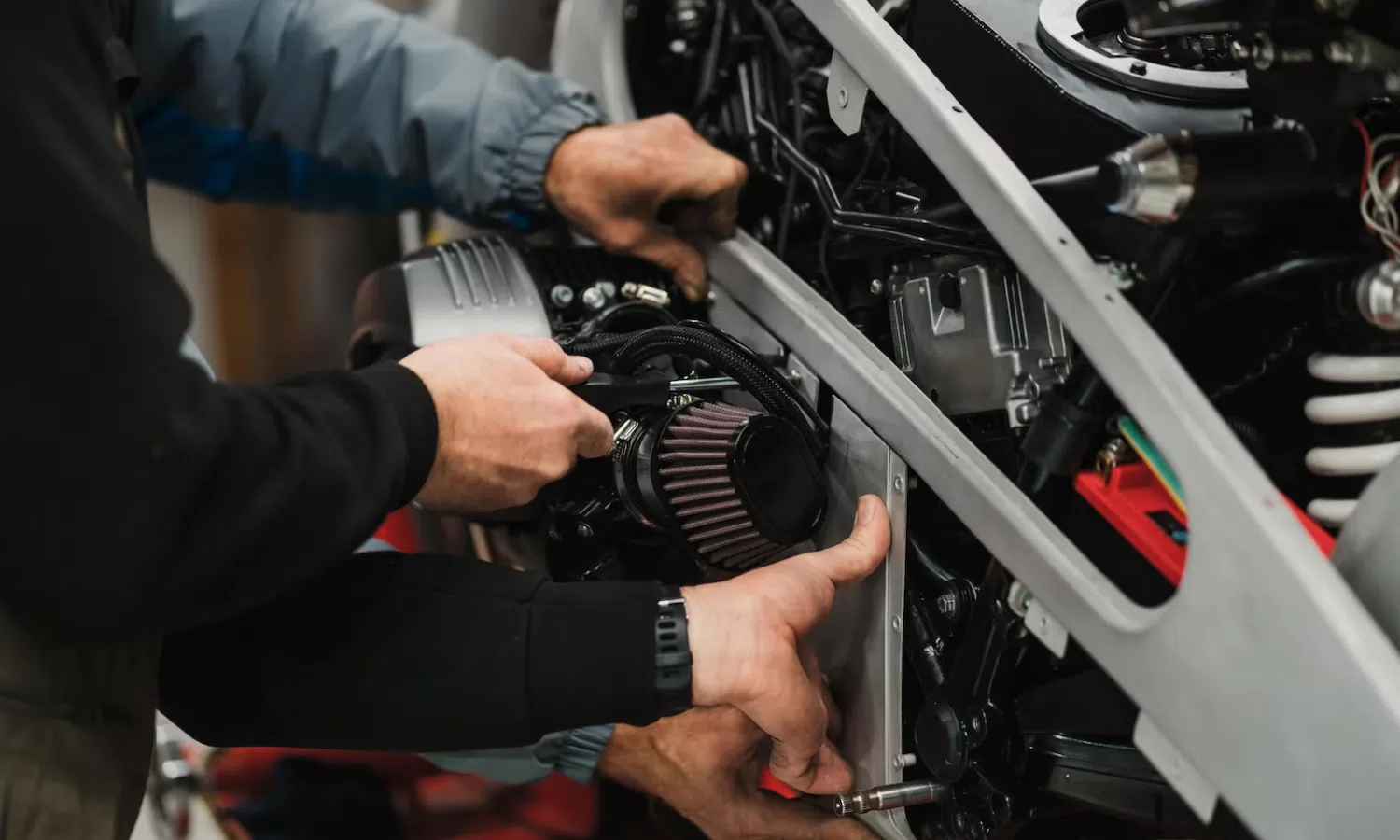
As motorcycle technology advances in 2026, demand for precision and reliable parts will increase significantly. From electric motorcycles to smart security systems, modern motorcycles now rely heavily on integrated electronics, sensors, and high-performance components. In this ever-evolving landscape, genuine motorcycle parts will become more important than ever in 2026. Why Modern Motorcycles Require Greater Precision Genuine Motorcycles in 2026 are no longer purely mechanical machines. Many new models now include: Advanced Rider Assistance Systems (ARAS) Electronic control units (ECU) Ride-by-wire throttle systems Integrated sensors and digital dashboards These technologies require exact compatibility between components. Even small variations in part dimensions or material quality can affect performance, fuel efficiency, or safety systems. Genuine parts are designed to meet original manufacturer specifications, ensuring proper fit and function. The Risks of Using Non-Genuine Parts As motorcycles become smarter, the risks of using low-quality or incompatible components increase. Common issues include: Sensor malfunction due to inaccurate tolerances ECU errors caused by voltage inconsistencies Premature wear on engine and transmission components Reduced safety performance in braking systems In 2026, motorcycles are expected to be even more interconnected. A single faulty component can disrupt multiple systems. This is why many distributors and workshops are shifting their focus toward trusted OEM-standard parts. @freepik Global Supply Chain and Demand for Quality Another major trend in 2026 is supply chain transparency. Buyers and importers are paying closer attention to sourcing, durability, and compliance with international standards. Markets across Africa, Asia, and Latin America continue to show strong demand for reliable genuine motorcycle parts, particularly for popular Japanese and Asian motorcycle brands. Quality assurance, consistent stock availability, and proper export handling are becoming critical factors in global trade. Read Also : Top Motorcycle Industry Trends to Watch in 2026 Electric Motorcycles in 2026: Are They Ready to Replace Petrol Bikes? Motorcycle Safety Technology in 2026: How ARAS Is Changing the Way We Ride Long-Term Value Over Short-Term Savings While non-genuine parts may offer lower upfront prices, long-term costs can be higher due to frequent replacements or performance issues. Genuine parts provide: Longer lifespan Better compatibility Stable performance Reduced maintenance risks In an era where motorcycles are more technologically advanced, investing in genuine components is not just about quality — it’s about safety and long-term reliability. Conclusion Genuine Motorcycle Parts 2026 As we move further into 2026, the motorcycle industry continues to embrace innovation and smart technology. With this progress comes the need for higher precision and trusted components. The growing trend clearly shows that genuine motorcycle parts are no longer optional — they are essential for performance, safety, and sustainability in modern motorcycles. For distributors and international buyers, aligning with reliable genuine parts suppliers will be key to staying competitive in the evolving global market.
Motorcycle Safety Technology in 2026: How ARAS Is Changing the Way We Ride

Motorcycle safety has traditionally relied on rider skill, protective gear, and awareness. However, as we approach 2026, technology is taking a much larger role in reducing accidents and improving rider confidence. One of the most significant developments is the rise of Advanced Rider Assistance Systems (ARAS) — a new generation of safety technology designed specifically for motorcycles. What Is ARAS (Advanced Rider Assistance Systems)? ARAS refers to a collection of electronic safety features that help riders anticipate and avoid potential hazards. Unlike cars, motorcycles present unique challenges due to balance, exposure, and space limitations.In 2026, ARAS systems are expected to be more refined, compact, and accessible across various motorcycle segments — not just premium touring bikes. Key Motorcycle Safety Features Expected in 2026 By 2026, the following safety technologies are predicted to become more common: Blind Spot Detection: Alerts riders when vehicles approach from unseen angles. Forward Collision Warning: Uses radar or cameras to detect sudden obstacles ahead. Adaptive Cruise Control: Automatically adjusts speed based on traffic flow. Lane Departure Warning: Warns riders when unintentionally drifting from their lane. These systems aim to reduce human error — the leading cause of motorcycle accidents worldwide. How Safety Technology Improves Rider Confidence Advanced safety features not only prevent accidents but also enhance riding confidence. With real-time feedback and alerts, riders can react faster and make better decisions on the road.This is especially beneficial for long-distance touring, daily commuting in dense traffic, and riding in unfamiliar areas. In 2026, motorcycles equipped with ARAS will likely appeal to both experienced riders and newcomers who prioritize safety without sacrificing performance. Read Also: Trends Motorcycle 2026, Are You Ready? The Role of Sensors and Smart Systems Modern safety technology relies heavily on radar sensors, cameras, gyroscopes, and AI-based processors. These components continuously analyze the motorcycle’s surroundings and riding behavior.As sensor technology becomes smaller and more affordable, ARAS integration will expand beyond flagship models to mid-range motorcycles. Impact on the Motorcycle Parts and Aftermarket Industry As safety technology evolves, the demand for electronic spare parts, sensors, control units, and calibration services will increase.This shift will reshape the aftermarket industry, pushing suppliers and distributors to adapt to more technologically advanced components rather than purely mechanical parts. Conclusion By 2026, motorcycle safety technology will move beyond passive protection and into active accident prevention. Advanced Rider Assistance Systems (ARAS) represent a major step forward in making motorcycles safer, smarter, and more accessible.For riders and industry players alike, understanding and adapting to these innovations will be key to staying ahead in the future of motorcycling.
Electric Motorcycles in 2026: Are They Ready to Replace Petrol Bikes?

Electric motorcycles are no longer just futuristic concepts or niche urban commuters. As we move closer to 2026, electric two-wheelers are becoming a serious contender against traditional petrol motorcycles. With rapid advancements in battery technology, charging infrastructure, and performance capabilities, many riders and industry players are asking the same question: are electric motorcycles ready to replace petrol bikes in 2026? The Evolution of Electric Motorcycles Over the past decade, electric motorcycles have evolved significantly. Early models were limited by short range, slow charging times, and high prices. By contrast, newer electric motorcycles offer improved acceleration, quieter operation, and lower maintenance requirements. By 2026, industry analysts predict electric motorcycles will be more accessible, with better performance-to-price ratios and wider adoption in both developed and emerging markets. Battery Technology and Riding Range One of the biggest concerns for riders is range. In 2026, battery innovation is expected to deliver: Longer riding range (200–300 km per charge) Faster charging times Lighter battery packs Solid-state batteries and improved lithium-ion chemistry are projected to reduce weight while increasing energy density. This will make electric motorcycles more practical not only for city commuting but also for longer rides. Charging Infrastructure and Market Readiness Charging infrastructure remains a critical factor. While urban areas are rapidly expanding charging stations, rural and cross-country routes still lag behind.By 2026, governments and private sectors are expected to invest heavily in EV infrastructure, making electric motorcycles more viable for daily use — particularly in large cities and developed regions. Also Read : Prediction trends motorcycle 2026 Impact on Spare Parts and Maintenance Electric motorcycles have fewer moving parts than petrol engines. This means: Less routine maintenance No oil changes Reduced mechanical wear However, demand for electronic components, battery systems, controllers, and specialized accessories will rise. This shift will significantly influence the global motorcycle spare parts market. Conclusion Electric motorcycles are undeniably shaping the future of two-wheel mobility. By 2026, they will be more powerful, more reliable, and more widely accepted than ever before. While petrol motorcycles won’t disappear overnight, electric bikes are set to play a major role — especially in urban mobility and eco-focused markets. For riders, distributors, and spare-parts suppliers, understanding this transition is essential to stay ahead in a rapidly changing motorcycle industry.
Top Motorcycle Industry Trends to Watch in 2026

The global motorcycle industry continues to evolve rapidly, driven by advances in technology, changing rider preferences, and a growing focus on sustainability. As we approach 2026, several exciting trends are set to redefine how motorcycles are designed, ridden, and experienced. From cutting-edge electric innovations to smarter safety systems, here’s a look at the major motorcycle trends expected in 2026. Electric Motorcycles Become Mainstream Electric motorcycles have been gaining traction over the past few years, but by 2026, they are predicted to become a core segment of the market. Improvements in battery technology will deliver longer range, faster charging, and lighter weight — making electrics more practical for everyday riders.Major OEMs and startups alike are expected to roll out models that rival traditional petrol bikes in both performance and price. Urban commuters and eco-conscious riders will increasingly adopt electric motorcycles as infrastructure improves globally. Smart Connectivity & IoT Integration Connected features are no longer limited to cars — motorcycles are catching up. In 2026, we expect to see deeper smartphone integration, GPS routing, ride analytics, and remote diagnostics built into many new models.Internet of Things (IoT) connectivity will allow riders to receive real-time alerts, track vehicle health, and even update firmware over the air. This connectivity trend not only enhances convenience but also builds safer, more informed riding experiences. Clutchless operation Multiple charging options TFT full-color instrumentation with smartphone connectivity Convenient storage box Advanced Rider Assistance Systems (ARAS) Safety is evolving beyond helmets and jackets. By 2026, Advanced Rider Assistance Systems (ARAS) will be more common on motorcycles. Features like: Collision warning Blind-spot detection Adaptive cruise control Lane departure alerts …will increasingly be offered on touring and adventure bikes, making riding safer for all experience levels. Lightweight Materials & Sustainable Manufacturing Manufacturers are pushing toward sustainability, both in emissions and in materials. Expect more motorcycles built with lightweight composites, recycled metals, and eco-friendly plastics. These choices improve fuel efficiency and performance while reducing environmental impact.Sustainable manufacturing processes and supply chain transparency will also become more important to riders who value ethical production. Personalization and Modular Design In 2026, riders will demand bikes that reflect their personality. Modular design kits — allowing easy swapping of seats, fairings, luggage, or infotainment — will become mainstream. Aftermarket parts and accessories will also grow, enabling riders to customize ergonomics and style without major mechanical changes. Integrated AR & Navigation Displays Heads-up displays (HUDs) and augmented reality navigation — once sci-fi — are expected to make their way into premium motorcycle cockpits. These systems can provide turn-by-turn guidance, hazard alerts, and ride stats right in the rider’s line of sight, improving safety and convenience. Conclusion As we move toward 2026, the motorcycle industry is poised for transformation. From electric propulsion and connectivity to advanced safety and sustainable design, new trends are reshaping the way riders live the two-wheel experience. Whether you’re a commuter, weekend explorer, or performance enthusiast, these trends will influence what you ride next. For riders and businesses in the motorcycle world, staying updated with these motorcycle trends 2026 is key to making smarter choices and embracing the future of mobility.
When to Replace Your Motorcycle Battery: Signs & Maintenance Tips
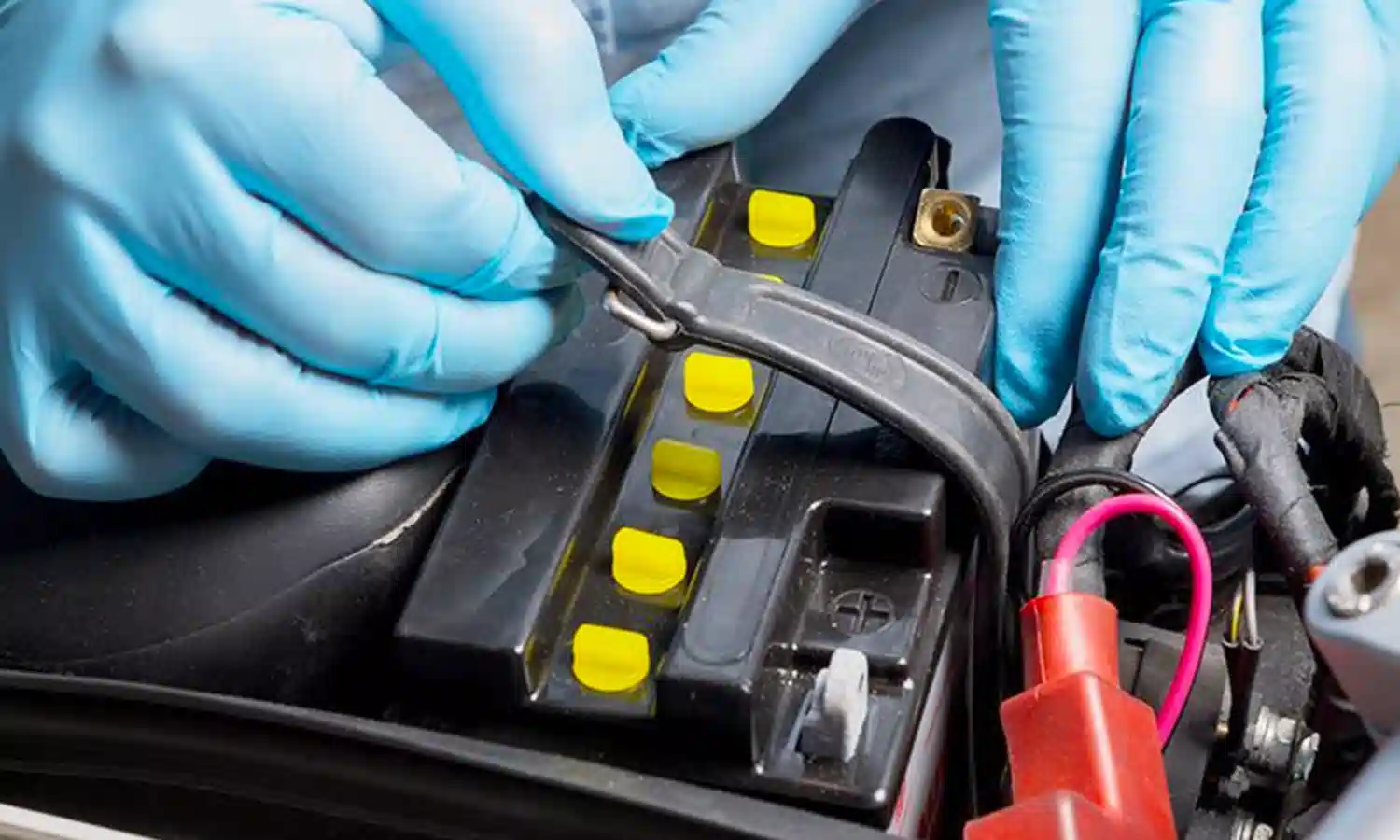
A motorcycle battery may look small — but it’s the heart of your bike’s electrical system. Without a healthy battery, starting becomes difficult, lights may flicker, and overall performance drops. Many riders are unsure when to replace their motorcycle battery and often wait until it completely dies. In this article, we’ll guide you through the signs of a weak battery, maintenance tips, and when it’s the right time for a replacement. 1. How Long Does a Motorcycle Battery Last? On average, a motorcycle battery lasts 2–4 years, depending on riding habits, maintenance, weather, and battery quality. Riders who leave their motorcycles unused for long periods or ride in extreme temperatures (too hot or too cold) may experience faster battery degradation. If your bike is already past the 3-year mark, it’s a good time to check the battery health and consider a replacement. 2. Common Signs Your Battery Needs Replacement Here are the warning signs that indicate your battery may be failing: Hard to start the engine or slow cranking Dim headlights or flickering signals Electrical accessories not working properly Battery voltage drops below 12V Frequent need for charging after parking If you notice two or more of these symptoms, it’s likely time to replace your motorcycle battery. 3. How to Check Battery Condition Use a multimeter to measure the voltage. Here’s a quick guide: Battery Condition Voltage Reading Excellent 12.6V – 13.2V Weak / Aging 12.3V – 12.5V Replace Soon Below 12.3V Dead Battery 11.8V or lower You can also visit a motorcycle workshop to perform a load test, which is more accurate in detecting battery health. 4. Tips to Extend Battery Life To keep your battery running longer, follow these tips: Start your motorcycle regularly Use a trickle charger during long storage periods Clean terminals from corrosion Avoid cheap battery brands Check charging system (stator & regulator) Good maintenance may help your battery last an extra year — saving both time and money. Final Thoughts Replace Your Motorcycle Battery Knowing when to replace your motorcycle battery is essential for reliable performance and safe riding. Don’t wait until your bike refuses to start. Pay attention to voltage, symptoms, and battery age. If you’re looking for genuine motorcycle parts and reliable accessories, PT. Nagoya Motor International is ready to support riders worldwide with quality spare parts and trusted components.
Signs of Damaged Motorcycle Suspension and the Dangers of Ignoring It
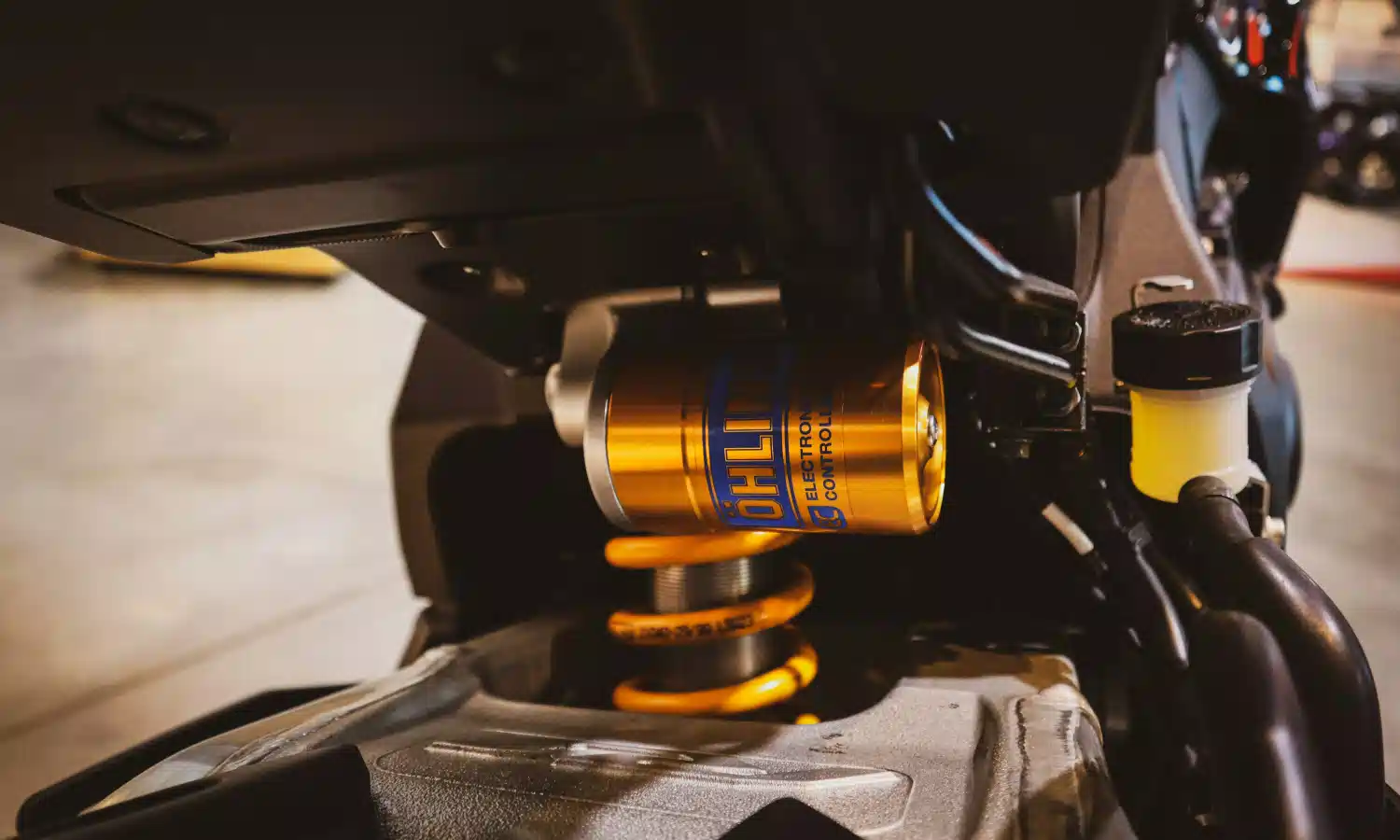
A motorcycle’s suspension system plays a crucial role in comfort, stability, and overall safety. When the suspension begins to fail, riders often overlook the early symptoms because the changes feel gradual. However, understanding the signs of motorcycle damage suspension is essential — not just to maintain performance, but to prevent dangerous riding conditions. In this article, we explore the key indicators of suspension problems and the risks of leaving them untreated. 1. Unstable Handling and Lack of Control One of the most common signs of suspension damage is unstable handling. Your motorcycle may feel wobbly, shaky, or unusually sensitive when cornering.A healthy suspension keeps the wheels firmly connected to the road, allowing smooth control. When components like the front fork or rear shock begin to fail, you lose the stability needed for safe maneuvering — especially during high-speed turns. 2. Excessive Bouncing or Bottoming Out If your motorcycle bounces repeatedly after hitting a bump, it’s a sign that the suspension is no longer absorbing impact effectively.“Bottoming out” — when the suspension compresses fully and hits its limit — is another red flag. This often indicates worn-out springs or leaking dampers inside the suspension system.Ignoring this issue may lead to severe damage to the frame, shock mounts, or even the front fork seals. Source: Freepik 3. Uneven Tire Wear Damaged suspension puts uneven pressure on the tires, causing them to wear at abnormal angles. Riders may notice: Uneven tread depth Feathered edges Rapid wear on one side This doesn’t only reduce tire lifespan, but also increases the risk of losing traction during braking or cornering. 4. Oil Leaks Around the Fork or Shock Absorber Oil leakage is one of the clearest visual signs of suspension damage.If you see oil stains around the front fork or rear shock absorber, the seals may be worn or broken. Once suspension oil starts leaking, damping performance decreases drastically and can affect braking distance and cornering stability. 5. Strange Noises During Riding A healthy suspension works quietly. But damaged components may produce: Clunking Creaking Knocking sounds These noises often stem from loose bolts, worn bushings, or damaged springs. If ignored, these problems can escalate into complete suspension failure. The Dangers of Ignoring Suspension Problems Riding with damaged suspension isn’t just uncomfortable — it’s dangerous.Here’s what can happen if you let it slide: Longer braking distance due to unstable wheel contact. Increased risk of sliding during wet conditions or sharp turns. Reduced handling precision, especially at high speeds. Severe damage to other components, leading to expensive repairs. In extreme cases, sudden suspension failure can lead to loss of control and serious accidents. Final Thoughts Motorcycle Suspension Damage Signs Your motorcycle’s suspension system is more than just a comfort feature — it’s a critical safety component. Recognizing the signs of motorcycle suspension damage early can save you from dangerous riding conditions and costly repairs. For riders seeking high-quality, reliable spare parts, PT. Nagoya Motor International provides genuine motorcycle components to keep your bike performing safely and smoothly.