
OEM and Genuine Motorcycle Parts Trends in 2026: Why Quality Matters More Than Ever
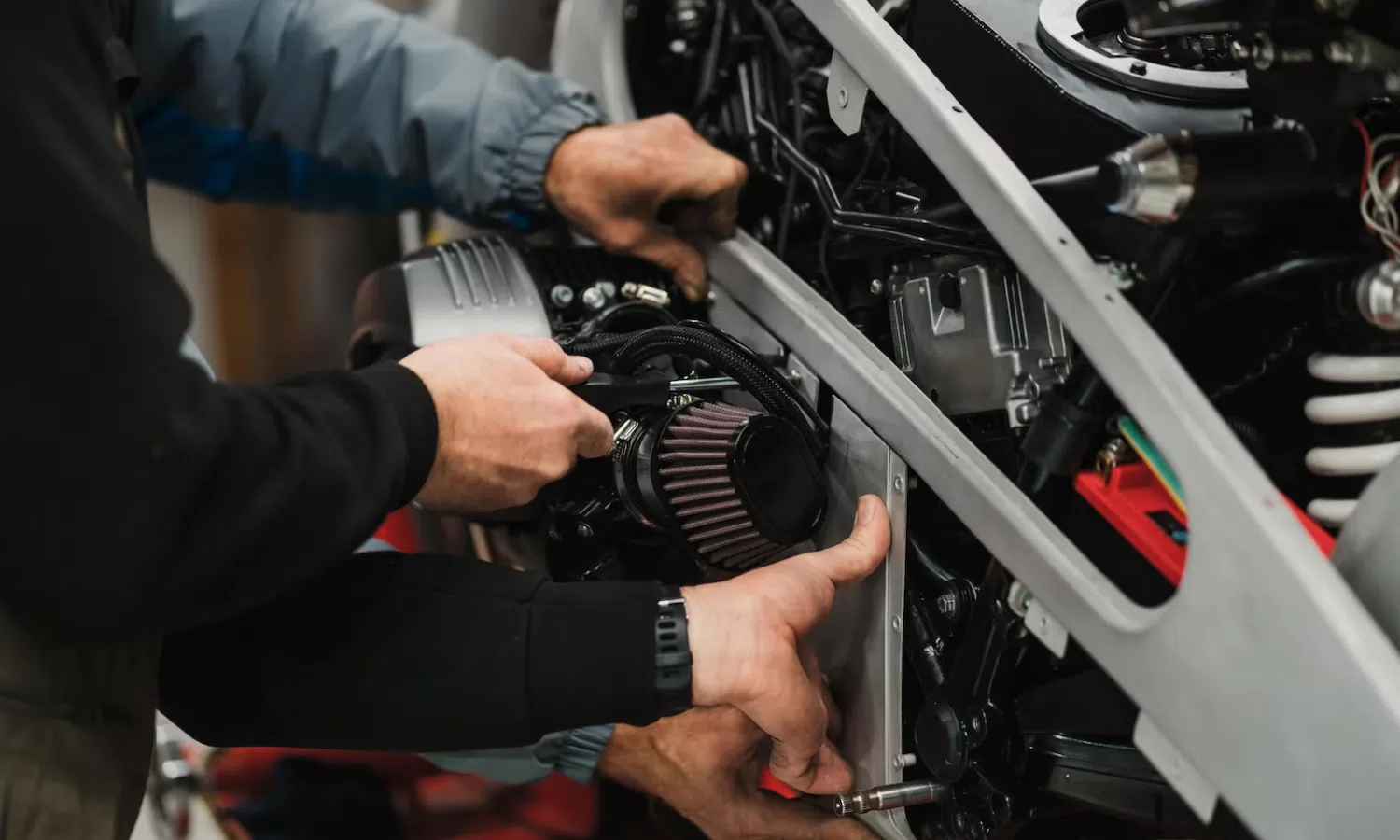
As motorcycle technology advances in 2026, demand for precision and reliable parts will increase significantly. From electric motorcycles to smart security systems, modern motorcycles now rely heavily on integrated electronics, sensors, and high-performance components. In this ever-evolving landscape, genuine motorcycle parts will become more important than ever in 2026. Why Modern Motorcycles Require Greater Precision Genuine Motorcycles in 2026 are no longer purely mechanical machines. Many new models now include: Advanced Rider Assistance Systems (ARAS) Electronic control units (ECU) Ride-by-wire throttle systems Integrated sensors and digital dashboards These technologies require exact compatibility between components. Even small variations in part dimensions or material quality can affect performance, fuel efficiency, or safety systems. Genuine parts are designed to meet original manufacturer specifications, ensuring proper fit and function. The Risks of Using Non-Genuine Parts As motorcycles become smarter, the risks of using low-quality or incompatible components increase. Common issues include: Sensor malfunction due to inaccurate tolerances ECU errors caused by voltage inconsistencies Premature wear on engine and transmission components Reduced safety performance in braking systems In 2026, motorcycles are expected to be even more interconnected. A single faulty component can disrupt multiple systems. This is why many distributors and workshops are shifting their focus toward trusted OEM-standard parts. @freepik Global Supply Chain and Demand for Quality Another major trend in 2026 is supply chain transparency. Buyers and importers are paying closer attention to sourcing, durability, and compliance with international standards. Markets across Africa, Asia, and Latin America continue to show strong demand for reliable genuine motorcycle parts, particularly for popular Japanese and Asian motorcycle brands. Quality assurance, consistent stock availability, and proper export handling are becoming critical factors in global trade. Read Also : Top Motorcycle Industry Trends to Watch in 2026 Electric Motorcycles in 2026: Are They Ready to Replace Petrol Bikes? Motorcycle Safety Technology in 2026: How ARAS Is Changing the Way We Ride Long-Term Value Over Short-Term Savings While non-genuine parts may offer lower upfront prices, long-term costs can be higher due to frequent replacements or performance issues. Genuine parts provide: Longer lifespan Better compatibility Stable performance Reduced maintenance risks In an era where motorcycles are more technologically advanced, investing in genuine components is not just about quality — it’s about safety and long-term reliability. Conclusion Genuine Motorcycle Parts 2026 As we move further into 2026, the motorcycle industry continues to embrace innovation and smart technology. With this progress comes the need for higher precision and trusted components. The growing trend clearly shows that genuine motorcycle parts are no longer optional — they are essential for performance, safety, and sustainability in modern motorcycles. For distributors and international buyers, aligning with reliable genuine parts suppliers will be key to staying competitive in the evolving global market.
Motorcycle Safety Technology in 2026: How ARAS Is Changing the Way We Ride

Motorcycle safety has traditionally relied on rider skill, protective gear, and awareness. However, as we approach 2026, technology is taking a much larger role in reducing accidents and improving rider confidence. One of the most significant developments is the rise of Advanced Rider Assistance Systems (ARAS) — a new generation of safety technology designed specifically for motorcycles. What Is ARAS (Advanced Rider Assistance Systems)? ARAS refers to a collection of electronic safety features that help riders anticipate and avoid potential hazards. Unlike cars, motorcycles present unique challenges due to balance, exposure, and space limitations.In 2026, ARAS systems are expected to be more refined, compact, and accessible across various motorcycle segments — not just premium touring bikes. Key Motorcycle Safety Features Expected in 2026 By 2026, the following safety technologies are predicted to become more common: Blind Spot Detection: Alerts riders when vehicles approach from unseen angles. Forward Collision Warning: Uses radar or cameras to detect sudden obstacles ahead. Adaptive Cruise Control: Automatically adjusts speed based on traffic flow. Lane Departure Warning: Warns riders when unintentionally drifting from their lane. These systems aim to reduce human error — the leading cause of motorcycle accidents worldwide. How Safety Technology Improves Rider Confidence Advanced safety features not only prevent accidents but also enhance riding confidence. With real-time feedback and alerts, riders can react faster and make better decisions on the road.This is especially beneficial for long-distance touring, daily commuting in dense traffic, and riding in unfamiliar areas. In 2026, motorcycles equipped with ARAS will likely appeal to both experienced riders and newcomers who prioritize safety without sacrificing performance. Read Also: Trends Motorcycle 2026, Are You Ready? The Role of Sensors and Smart Systems Modern safety technology relies heavily on radar sensors, cameras, gyroscopes, and AI-based processors. These components continuously analyze the motorcycle’s surroundings and riding behavior.As sensor technology becomes smaller and more affordable, ARAS integration will expand beyond flagship models to mid-range motorcycles. Impact on the Motorcycle Parts and Aftermarket Industry As safety technology evolves, the demand for electronic spare parts, sensors, control units, and calibration services will increase.This shift will reshape the aftermarket industry, pushing suppliers and distributors to adapt to more technologically advanced components rather than purely mechanical parts. Conclusion By 2026, motorcycle safety technology will move beyond passive protection and into active accident prevention. Advanced Rider Assistance Systems (ARAS) represent a major step forward in making motorcycles safer, smarter, and more accessible.For riders and industry players alike, understanding and adapting to these innovations will be key to staying ahead in the future of motorcycling.
Top Motorcycle Industry Trends to Watch in 2026

The global motorcycle industry continues to evolve rapidly, driven by advances in technology, changing rider preferences, and a growing focus on sustainability. As we approach 2026, several exciting trends are set to redefine how motorcycles are designed, ridden, and experienced. From cutting-edge electric innovations to smarter safety systems, here’s a look at the major motorcycle trends expected in 2026. Electric Motorcycles Become Mainstream Electric motorcycles have been gaining traction over the past few years, but by 2026, they are predicted to become a core segment of the market. Improvements in battery technology will deliver longer range, faster charging, and lighter weight — making electrics more practical for everyday riders.Major OEMs and startups alike are expected to roll out models that rival traditional petrol bikes in both performance and price. Urban commuters and eco-conscious riders will increasingly adopt electric motorcycles as infrastructure improves globally. Smart Connectivity & IoT Integration Connected features are no longer limited to cars — motorcycles are catching up. In 2026, we expect to see deeper smartphone integration, GPS routing, ride analytics, and remote diagnostics built into many new models.Internet of Things (IoT) connectivity will allow riders to receive real-time alerts, track vehicle health, and even update firmware over the air. This connectivity trend not only enhances convenience but also builds safer, more informed riding experiences. Clutchless operation Multiple charging options TFT full-color instrumentation with smartphone connectivity Convenient storage box Advanced Rider Assistance Systems (ARAS) Safety is evolving beyond helmets and jackets. By 2026, Advanced Rider Assistance Systems (ARAS) will be more common on motorcycles. Features like: Collision warning Blind-spot detection Adaptive cruise control Lane departure alerts …will increasingly be offered on touring and adventure bikes, making riding safer for all experience levels. Lightweight Materials & Sustainable Manufacturing Manufacturers are pushing toward sustainability, both in emissions and in materials. Expect more motorcycles built with lightweight composites, recycled metals, and eco-friendly plastics. These choices improve fuel efficiency and performance while reducing environmental impact.Sustainable manufacturing processes and supply chain transparency will also become more important to riders who value ethical production. Personalization and Modular Design In 2026, riders will demand bikes that reflect their personality. Modular design kits — allowing easy swapping of seats, fairings, luggage, or infotainment — will become mainstream. Aftermarket parts and accessories will also grow, enabling riders to customize ergonomics and style without major mechanical changes. Integrated AR & Navigation Displays Heads-up displays (HUDs) and augmented reality navigation — once sci-fi — are expected to make their way into premium motorcycle cockpits. These systems can provide turn-by-turn guidance, hazard alerts, and ride stats right in the rider’s line of sight, improving safety and convenience. Conclusion As we move toward 2026, the motorcycle industry is poised for transformation. From electric propulsion and connectivity to advanced safety and sustainable design, new trends are reshaping the way riders live the two-wheel experience. Whether you’re a commuter, weekend explorer, or performance enthusiast, these trends will influence what you ride next. For riders and businesses in the motorcycle world, staying updated with these motorcycle trends 2026 is key to making smarter choices and embracing the future of mobility.
EICMA 2025 Day 3: Highlights, Announcements, and Buzz from Milan

EICMA 2025 day 3 in Milan kept the momentum alive with major announcements, new motorcycle reveals, and thrilling live performances. Crowds filled every corner of Fiera Milano as brands, media, and fans gathered to witness what’s next in the world of two wheels. New Models and Technology In EICMA 2025 Day 3 Several major manufacturers used Day 3 to unveil updated models and future concepts. Electric mobility continued to dominate headlines — with new e-bike and scooter platforms introduced by both established and emerging brands.Yamaha and Honda presented refinements to their sport and adventure lineups, while smaller European manufacturers drew attention with compact EV solutions designed for urban use.The trend toward lightweight, eco-efficient design seems stronger than ever, reflecting a global shift in both consumer demand and environmental focus. MotoLive Arena: The Heart of the Action Outside the exhibition halls, the MotoLive Arena stole the spotlight once again. Stunt riders, motocross legends, and freestyle athletes delivered jaw-dropping performances throughout the day.The atmosphere was electric as thousands gathered to watch precision stunts, jump sequences, and demo races that brought the energy of real-world riding to the show floor. MotoLive Arena: The Heart of the Action Outside the exhibition halls, the MotoLive Arena stole the spotlight once again. Stunt riders, motocross legends, and freestyle athletes delivered jaw-dropping performances throughout the day.The atmosphere was electric as thousands gathered to watch precision stunts, jump sequences, and demo races that brought the energy of real-world riding to the show floor. Source : EICMA Industry Trends and Global Networking Beyond the thrill and noise, Day 3 also served as a key day for networking and trade discussions. Importers, parts manufacturers, and distributors from across the globe were seen engaging in meetings and exploring collaboration opportunities.With more than 2,000 exhibitors from over 40 countries, EICMA continues to confirm its role as a central hub for global motorcycle business — a place where innovation meets opportunity. What’s Next in EICMA 2025 Day 3 As EICMA heads into its final days, the buzz shows no sign of slowing down. Visitors can expect more concept reveals, press conferences, and product showcases. Whether you’re following from home or attending in Milan, Day 3 proved one thing clearly: the motorcycle world is not just evolving — it’s accelerating. A Broader View from Indonesia While Milan remains the center of attention this week, motorcycle communities and suppliers around the world are also watching closely. In Indonesia, companies like Nagoya Motor International continue to follow global trends from EICMA, ensuring that quality parts and accessories remain aligned with international standards. From local workshops to export markets, the influence of events like EICMA is truly worldwide.
What’s New at EICMA 2025: The Future of Motorcycles Unleashed

The EICMA 2025 Motorcycle Exhibition has officially opened its doors in Milan! Known as the world’s largest motorcycle event, EICMA brings together the biggest names in the industry — from Yamaha and Ducati to Kawasaki, Honda, and emerging electric brands. This year’s event focuses on sustainability, smart mobility, and next-generation design, showing how fast the motorcycle world is evolving. 15 Highlights New at EICMA 2025 Yamaha’s Hydrogen Prototype – A bold step toward carbon-neutral engines. Honda’s AI Riding Assist 2.0 – Smarter, safer, and self-balancing motorcycles. Kawasaki’s Hybrid Ninja – Combining gas power with electric performance. Ducati’s Lightweight EV Concept – A future-ready superbike with instant torque. BMW Motorrad Vision Next-Gen – Futuristic design meets intelligent safety. Triumph Tiger 900 Update – Lighter frame and improved off-road dynamics. Suzuki GSX-R1000R Evolution – New aerodynamics and engine refinement. Royal Enfield Electric Classic – Heritage meets innovation. CFMoto 800NK GP – Affordable performance with racing DNA. Zero Motorcycles SR/F 2025 – Improved battery range and charging time. Harley-Davidson LiveWire S2 Mulholland – American muscle goes fully electric. Aprilia RS 457 – The perfect balance between performance and accessibility. Moto Guzzi V100 Stelvio – Adventure-touring redefined. EICMA Tech Pavilion – Focused on connected helmets, EV batteries, and smart riding gear. Custom Zone & Start-Up Area – Featuring young designers and future mobility innovators. Why it Matters EICMA 2025 is more than just a showcase — it’s a preview of where the motorcycle world is heading. From AI and hybrid technology to fully electric superbikes, every brand is racing toward smarter, greener, and more connected riding experiences. Stay tuned on Nagoya Motor for daily updates, highlight photos, and exclusive insights straight from the world of motorcycles.
Nagoya Motor Announces: EICMA 2025 Officially Starts in Milan!

Hey bike enthusiasts! Big news from the world of two wheels — EICMA 2025, the world’s largest motorcycle exhibition, has officially kicked off today in Milan, Italy. As one of the most anticipated events in the motorcycle industry, EICMA showcases the latest models, accessories, and global trends that shape the future of riding. Event Details Dates: November 4–9, 2025 Public Days: November 6–9, 2025 Venue: Fiera Milano Rho, Milan, Italy Edition: 82nd, with the theme “That’s Amore”, celebrating the passion for motorcycles Event Highlights Here’s what’s happening at EICMA 2025 that motorcycle fans and industry insiders shouldn’t miss: World Premieres: Top brands unveiling the latest motorcycles and cutting-edge technology. MotoLive Arena: Outdoor stunt shows, live racing, and action-packed performances. Start-Up & Innovation Zones: Showcasing electric mobility, urban solutions, and safety innovations. Champions Charity Race: Star riders racing for a good cause, a must-watch for fans. These areas reflect the latest trends in motorcycles, accessories, and future mobility — perfect insight for anyone in the industry or passionate about motorbikes. TIMETABLE EVENT EICMA 2025 PUBLIC: Thursday 6 November 2025 from 9.30 a.m. to 6.30 p.m. Friday 7 November 2025 from 9.30 a.m. to 6.30 p.m. Saturday 8 November 2025 from 9.30 a.m. to 6.30 p.m. Sunday 9 November 2025 from 9.30 a.m. to 6.30 p.m. TRADE VISITORS: Tuesday 4 November 2025 from 1.00 p.m. to 7.30 p.m. Wednesday 5 November 2025 from 8.30 a.m. to 7.30 p.m. We remind you that entry is permitted only to visitors aged 18 and over PRESS: Tuesday 4 November 2025 from 8.30 a.m. to 7.30 p.m. Wednesday 5 November 2025 from 8.30 a.m. to 7.30 p.m. For detail time table and other detail you can check here! CONCLUSION EVENT EICMA 2025 At Nagoya Motor, we are always tuned into global motorcycle trends. EICMA 2025 is the perfect reference to ensure our spare parts and accessories remain aligned with the latest designs, technologies, and innovations. Our goal is to keep providing customers with quality, reliability, and cutting-edge products inspired by global trends.