How the Global Motorcycle Parts Supply Chain Works
The global motorcycle parts supply chain involves several businesses working together to move components from manufacturers to distributors, retailers, workshops, and end users.
Motorcycle parts may be produced in one country, exported through international trade channels, and distributed to customers in different regions. This process requires coordination between manufacturers, exporters, freight forwarders, customs authorities, importers, and local distribution networks.
As the motorcycle market becomes increasingly international, an efficient supply chain is essential for maintaining product availability and supporting businesses across different countries.
Understanding how this system works can help importers and distributors make better decisions when sourcing genuine motorcycle parts.
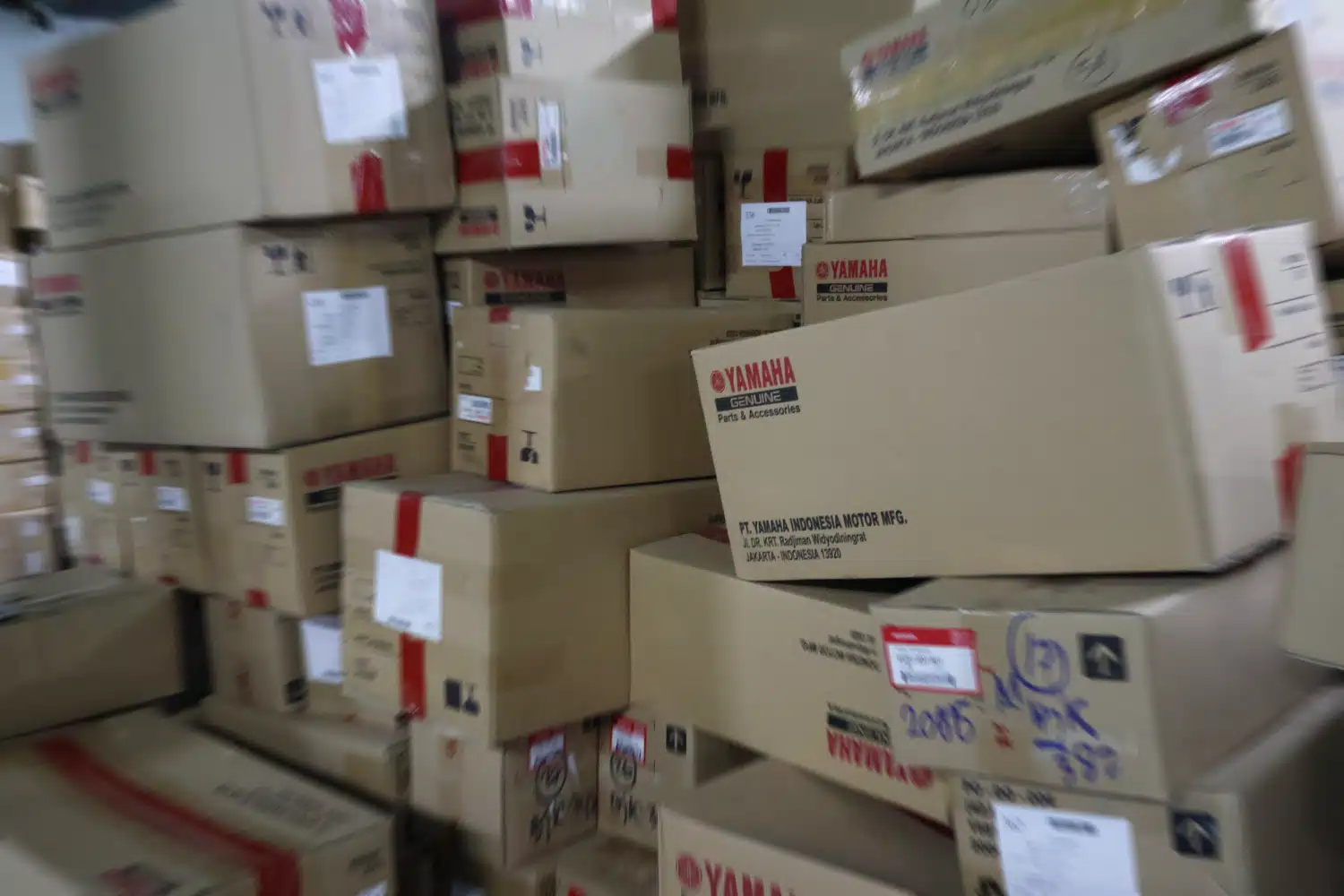
1. Motorcycle Parts Manufacturing
The supply chain begins with the production of motorcycle components.
Manufacturers produce a wide range of parts, including engine components, braking systems, electrical components, suspension parts, filters, and other motorcycle accessories.
Each component must meet the required technical specifications and quality standards for its intended application.
Product compatibility is particularly important because different motorcycle models may use different component designs, dimensions, and specifications.
For distributors, accurate product information helps reduce the risk of sourcing parts that are unsuitable for their target market.
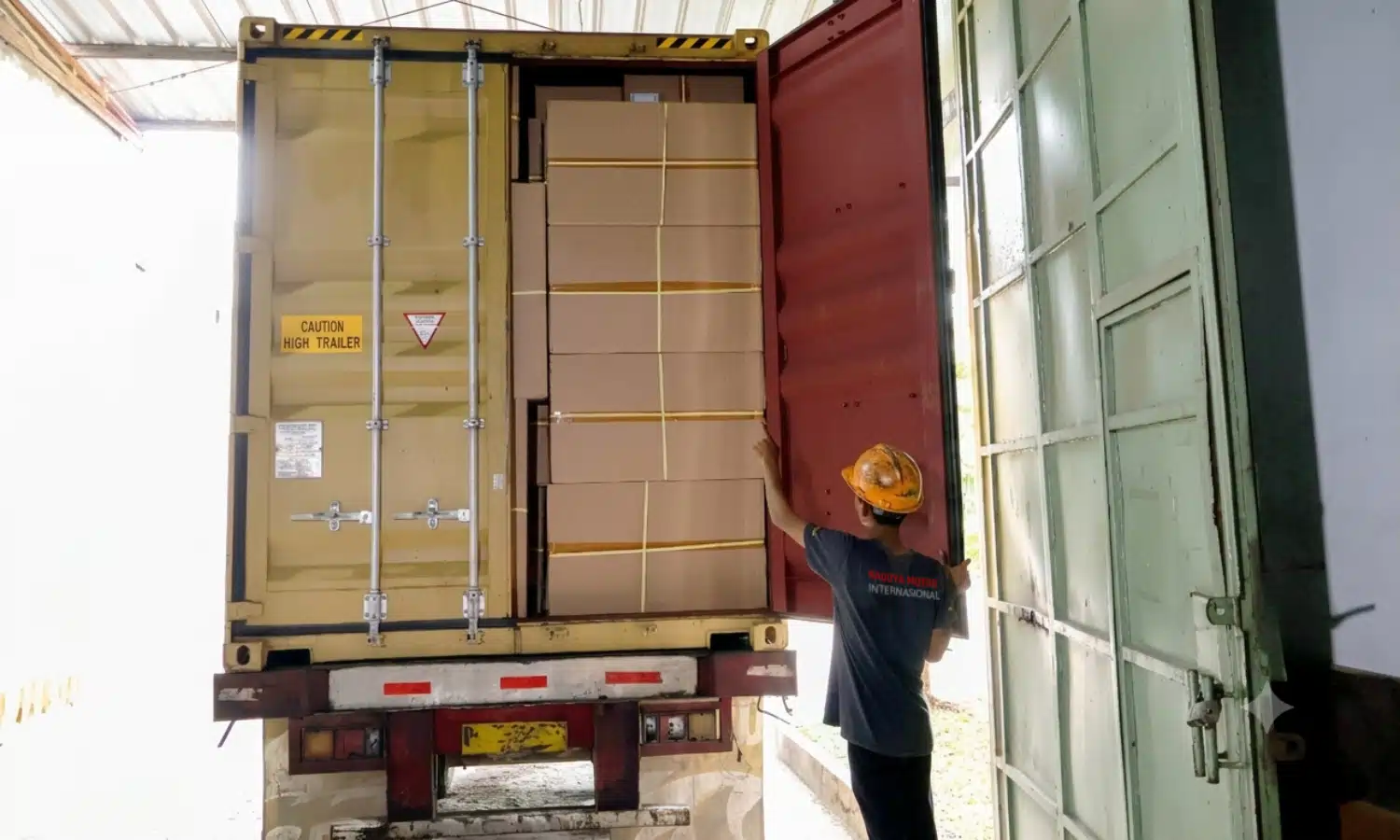
2. Exporters and International Suppliers
Exporters connect manufacturers and international buyers by managing the commercial process of supplying products across borders.
Their responsibilities may include product sourcing, order coordination, documentation, packaging arrangements, and communication with overseas customers.
For international motorcycle parts businesses, working with reliable exporters can simplify the sourcing process.
Importers should consider several factors when evaluating suppliers, including product authenticity, availability, documentation, communication, and the supplier’s ability to handle international orders.
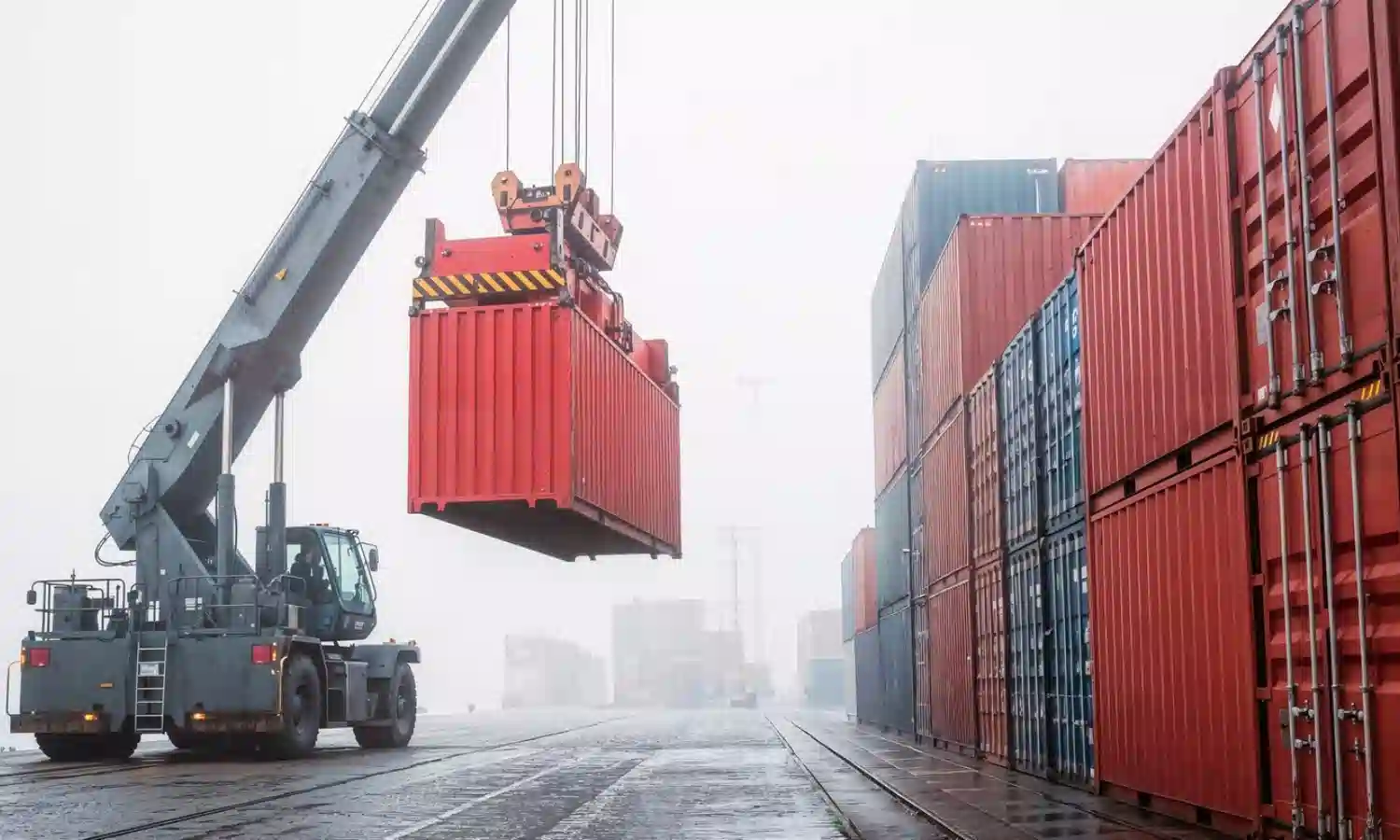
3. International Shipping and Customs Clearance
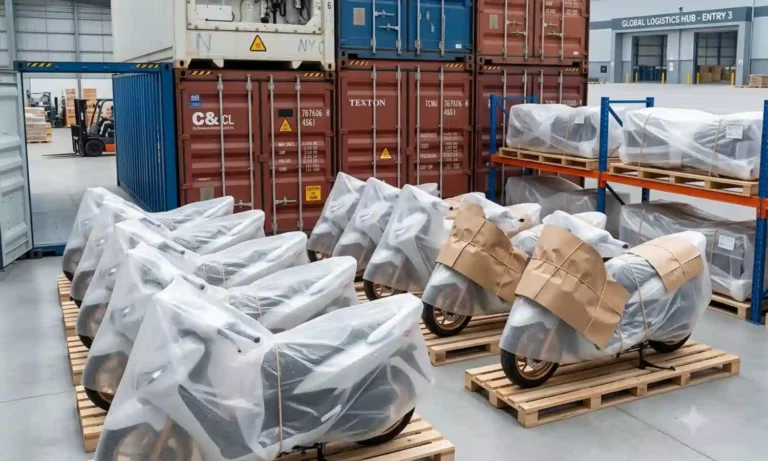
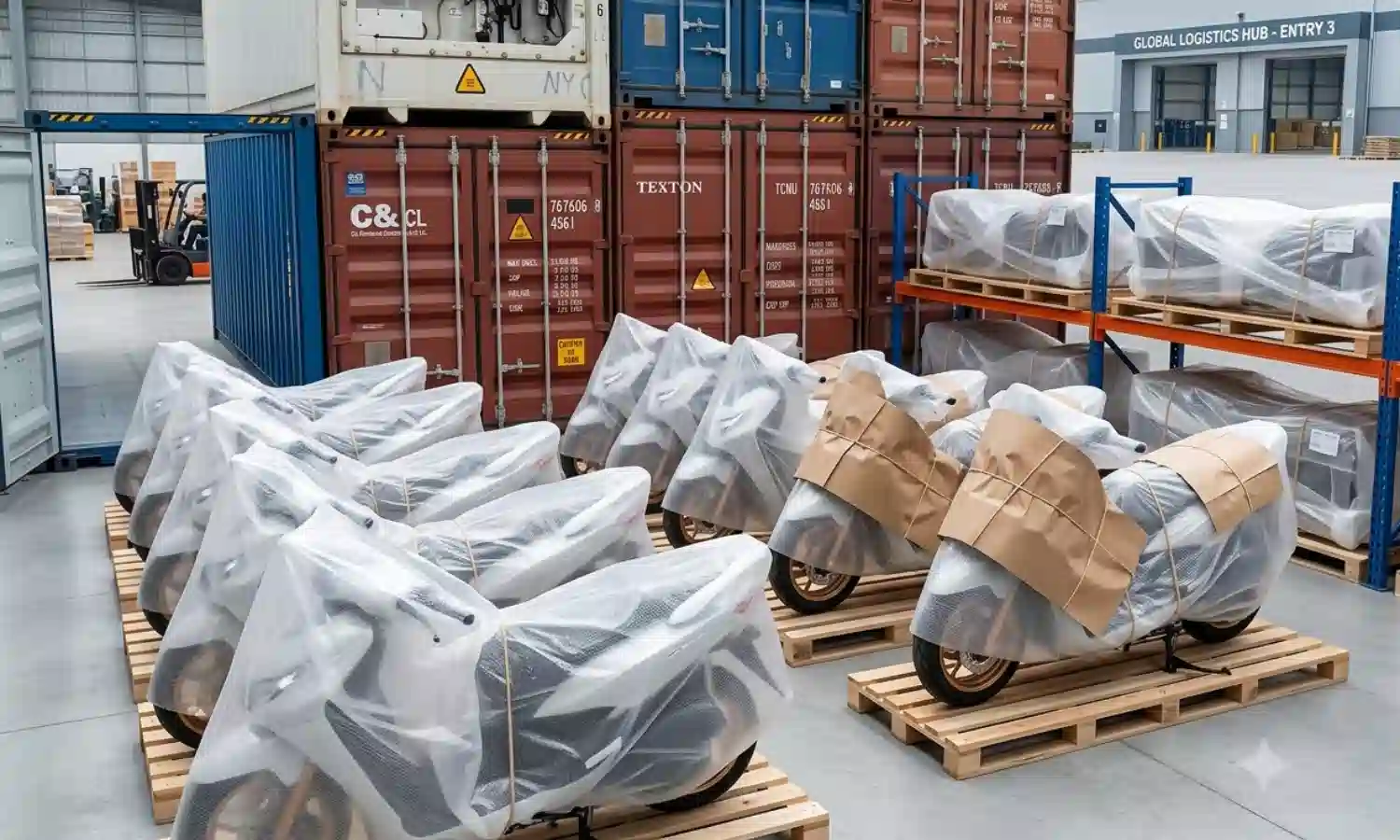
After products are prepared for export, international transportation becomes the next stage of the supply chain.
Motorcycle parts may be transported by sea freight or air freight, depending on shipment size, urgency, cost considerations, and destination requirements.
Sea freight is commonly considered for larger shipments and bulk orders, while air freight may be suitable for smaller or time-sensitive consignments.
Customs clearance is another important part of international trade. Exporters and importers need to prepare the required shipping and customs documentation according to applicable regulations.
Proper documentation helps reduce administrative delays and supports smoother cargo movement.
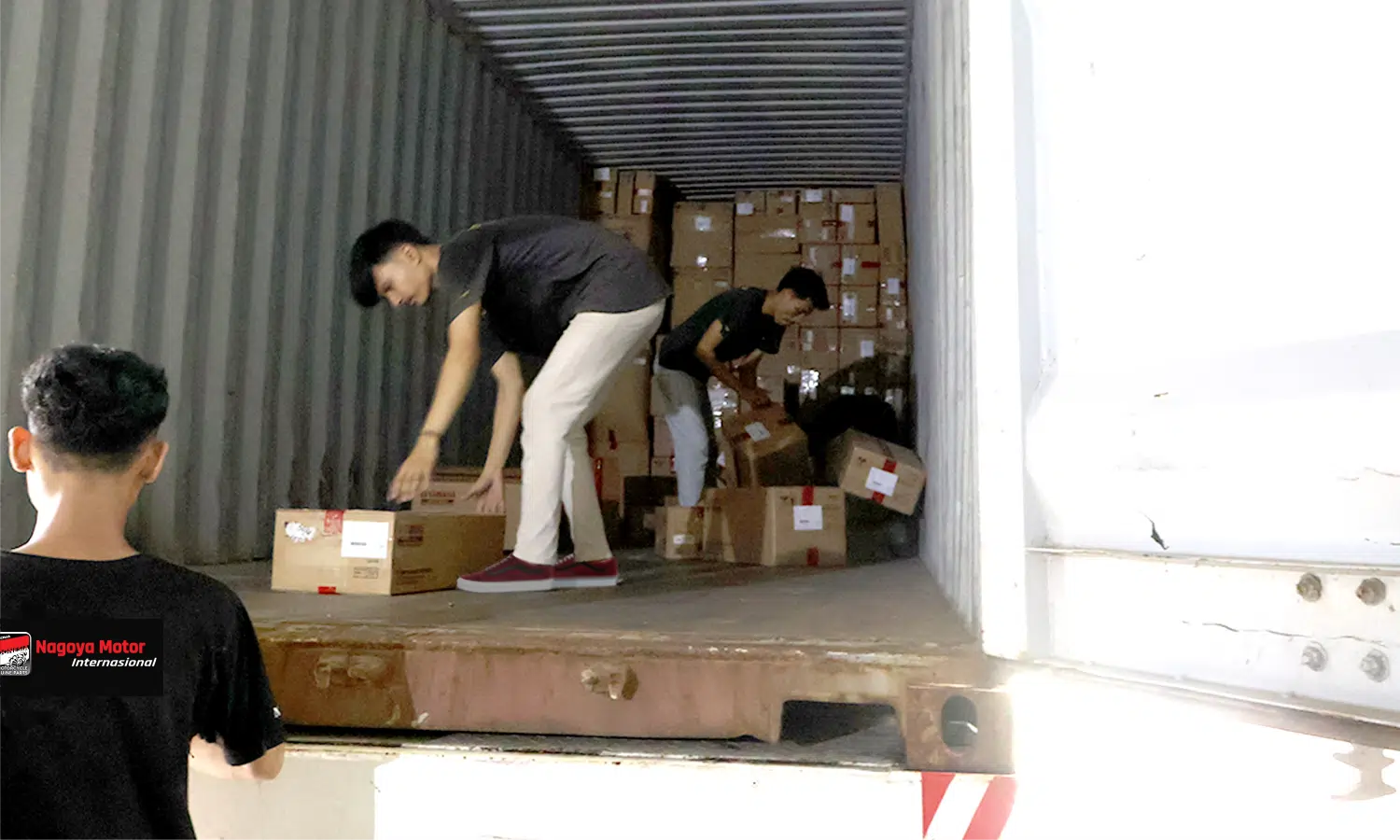
4. Importers, Wholesalers, and Local Distributors
Once motorcycle parts arrive in the destination country and complete the required import procedures, they can enter the local distribution network.
Importers may supply wholesalers, retailers, motorcycle workshops, or other businesses.
Wholesalers and distributors play an important role in making products available to customers across different locations.
Inventory management is particularly important because businesses need to balance product availability with storage costs and changing market demand.
5. The Importance of Reliable Product Information
A well-managed motorcycle parts supply chain depends on accurate information.
Distributors need to understand product specifications, motorcycle compatibility, quantities, packaging, and delivery requirements.
Clear communication between suppliers and buyers can help prevent misunderstandings and reduce order errors.
For genuine motorcycle parts, reliable sourcing and proper product identification are also important considerations when serving international customers.
Building a More Reliable Supply Chain
The global motorcycle parts supply chain depends on cooperation between manufacturers, exporters, logistics providers, importers, and distributors.
Each participant contributes to the movement of products from production facilities to the businesses and customers that need them.
By maintaining reliable supplier relationships, accurate documentation, and effective logistics coordination, motorcycle parts businesses can strengthen their international operations and respond more effectively to market demand.