Why MotoGP Technology Matters Beyond Racing
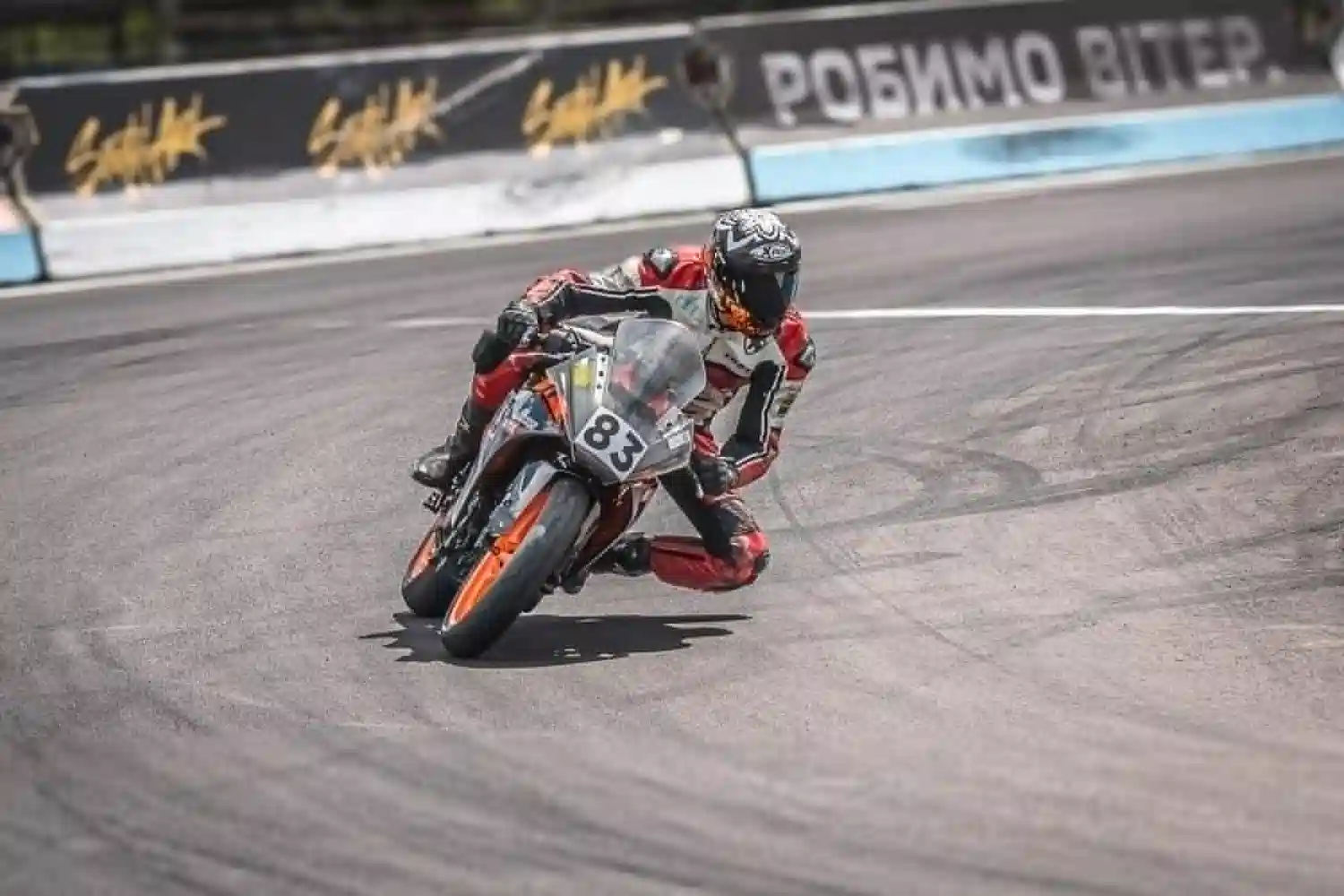
MotoGP is widely recognized as one of the most advanced forms of motorcycle racing. The motorcycles competing at the highest level are developed around performance, precision, reliability, and rapid technological development.
The 2026 MotoGP calendar places the Indonesian Grand Prix at Mandalika from October 9–11, creating another opportunity for motorcycle enthusiasts to see advanced racing technology in action.
But the importance of MotoGP technology goes beyond the racetrack.
Many engineering principles developed or tested in racing can influence the wider motorcycle industry, although production motorcycles are designed around different requirements, costs, regulations, and everyday riding conditions.
Advanced Braking Systems
Braking is one of the most important areas of motorcycle engineering.
MotoGP motorcycles operate at extremely high speeds, requiring braking systems that can deliver strong and consistent performance.
Engineers pay close attention to:
- Brake Force
- Heat Management
- Weight
- Material Section
- Ride Control
- Consistency during repeated braking
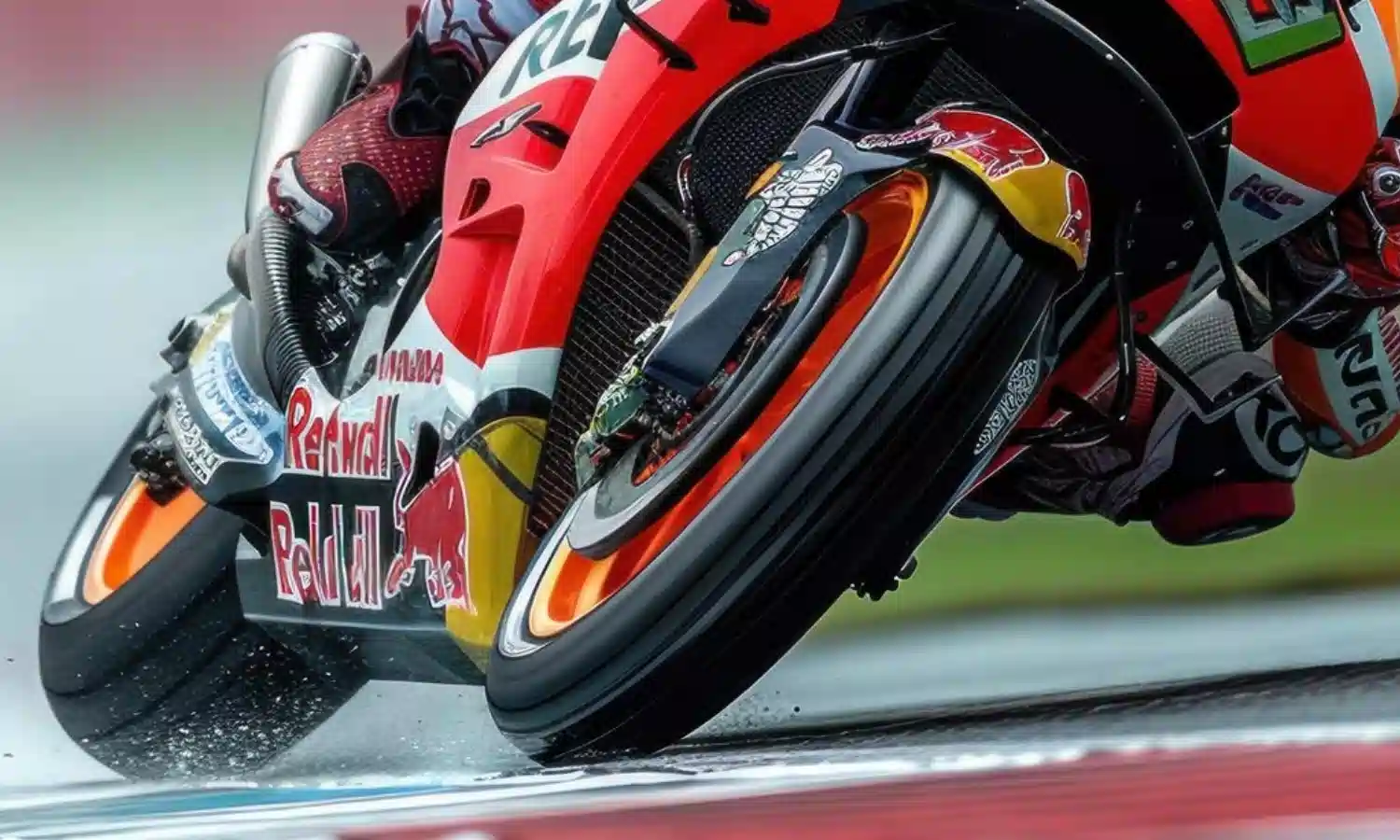
While everyday motorcycles do not operate under the same conditions, developments in braking technology can contribute to improvements in production motorcycle systems.
The Role of Electronics
Modern motorcycles increasingly depend on electronic systems.
Racing motorcycles use sophisticated electronics to help manage performance. These systems can monitor and control different aspects of the motorcycle, including engine behavior and rider inputs.
In the consumer motorcycle market, electronic technology has also become more common.
Examples include:
- Ride Modes
- Traction Control
- ABS
- Electronic Fuel Management
- Digital instrument panels
- Connectivity systems
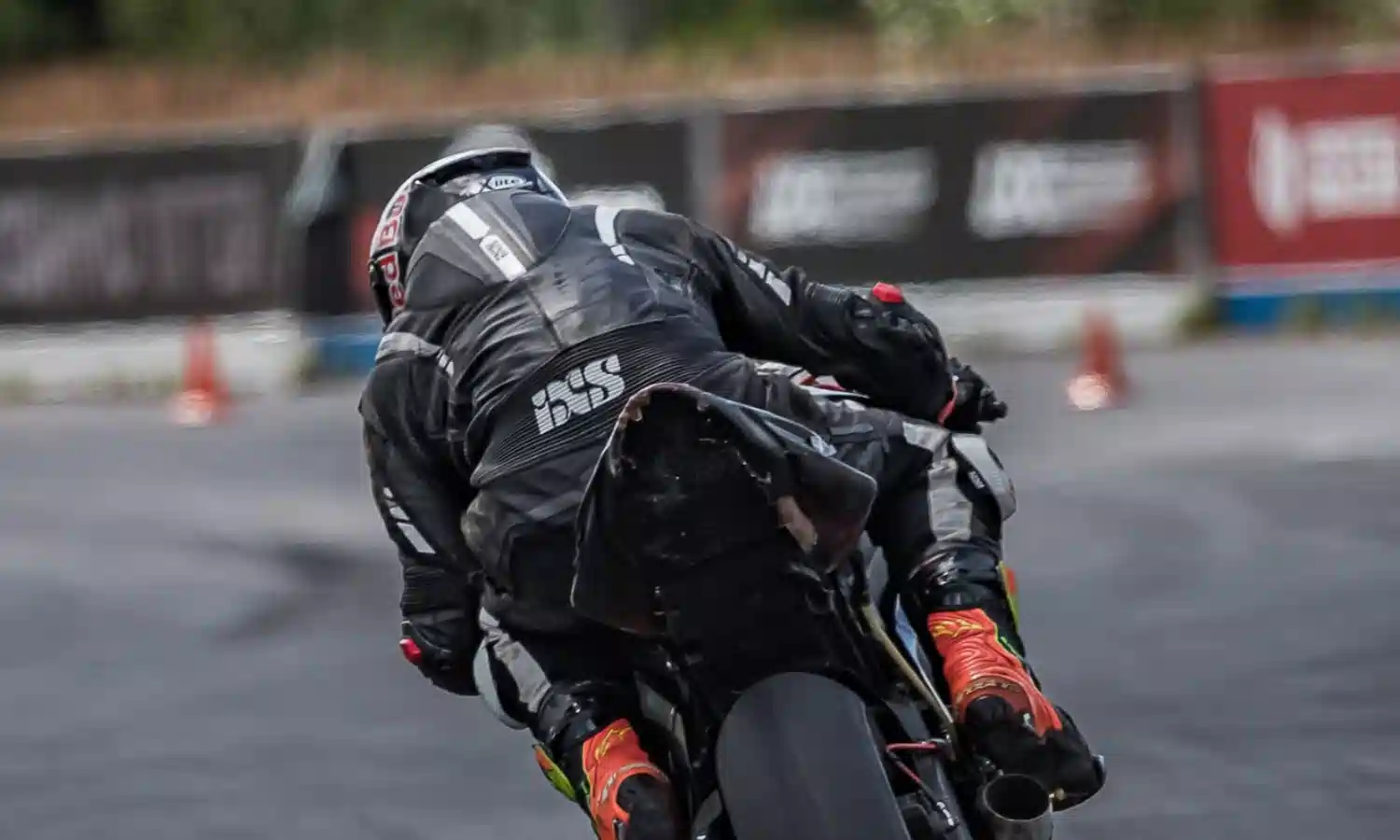
The technology used on a production motorcycle may be significantly different from a MotoGP system, but the underlying idea is similar: using electronic control to make motorcycle operation more precise.
Aerodynamics and Motorcycle Design
Aerodynamics has become an increasingly important part of modern motorcycle racing.
MotoGP engineers study how airflow interacts with the motorcycle and rider at high speeds.
Aerodynamic development can influence:
- Stability
- Acceleration
- Cornering behavior
- High-speed control
- Overall aerodynamic efficiency
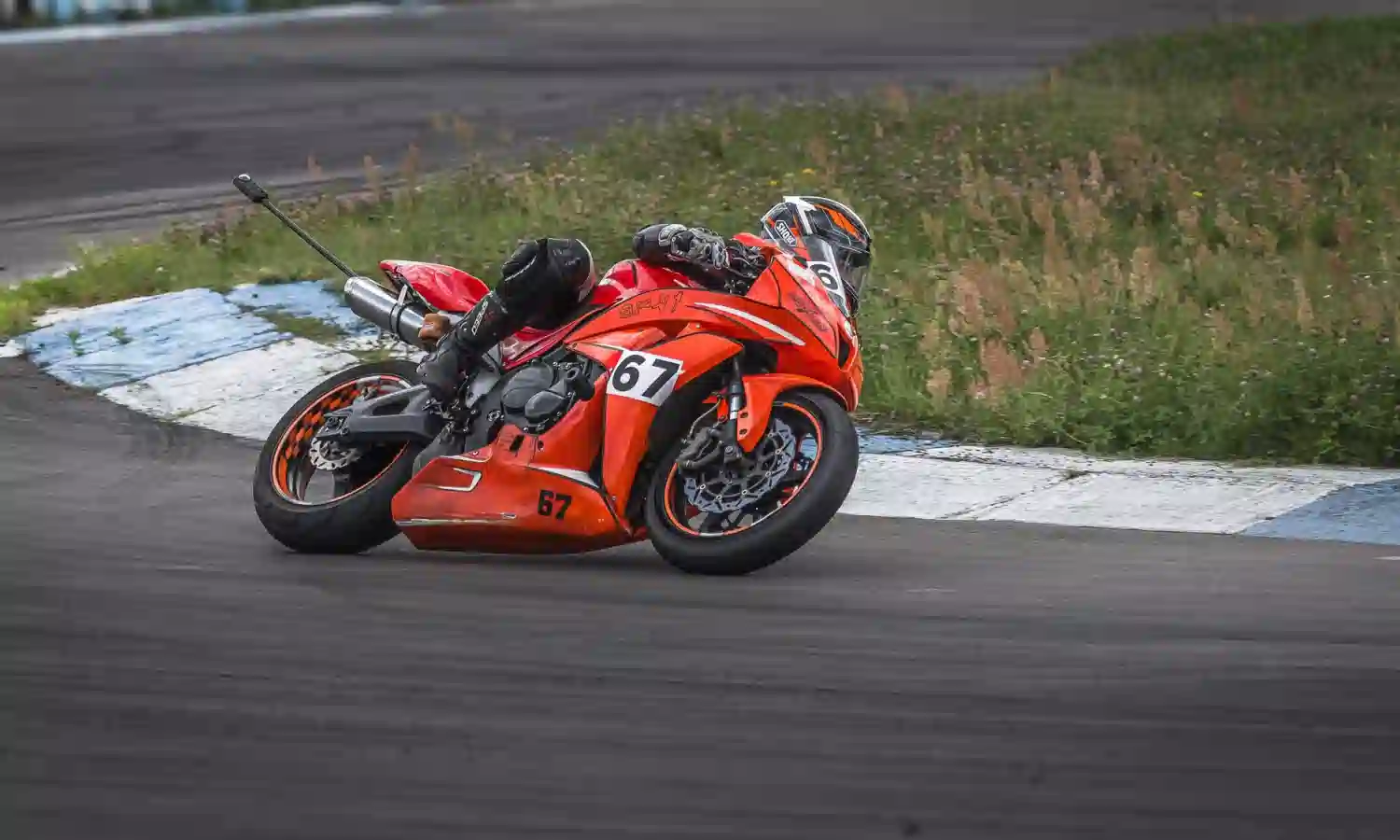
Production motorcycles may use aerodynamic principles in different ways, particularly in sport-oriented models.
Lightweight Material
Reducing unnecessary weight is another important engineering objective.
A lighter motorcycle can provide advantages in acceleration, braking, handling, and efficiency. Racing teams therefore spend significant effort studying materials and component construction.
However, production motorcycles must balance weight with durability, manufacturing costs, serviceability, and long-term reliability.
This is why a racing component cannot simply be transferred directly into a street motorcycle.
Racing as a Technology Laboratory
MotoGP can be viewed as a highly specialized engineering environment.
Engineers have the opportunity to test ideas under demanding conditions and analyze extremely detailed performance data.
Not every racing innovation reaches production motorcycles, but racing can help manufacturers understand materials, electronics, aerodynamics, engine technology, and other engineering challenges.
What Motorcycle Buyers Can Learn
For motorcycle enthusiasts, understanding racing technology can make it easier to appreciate why modern motorcycles are designed the way they are.
A motorcycle is no longer simply an engine connected to two wheels. Modern motorcycles combine mechanical engineering, electronics, materials science, aerodynamics, software, and manufacturing technology.
Final Thoughts
MotoGP technology represents the extreme end of motorcycle engineering, but many of its engineering principles are relevant to the broader motorcycle industry.
From braking and electronics to aerodynamics and lightweight materials, racing continues to provide a demanding environment for motorcycle technology development.
The Indonesian Grand Prix in October 2026 provides another opportunity for motorcycle fans to observe this technology at one of the world’s highest levels of motorcycle competition.