Motorcycle safety has traditionally relied on rider skill, protective gear, and awareness. However, as we approach 2026, technology is taking a much larger role in reducing accidents and improving rider confidence. One of the most significant developments is the rise of Advanced Rider Assistance Systems (ARAS) — a new generation of safety technology designed specifically for motorcycles.
What Is ARAS (Advanced Rider Assistance Systems)?
ARAS refers to a collection of electronic safety features that help riders anticipate and avoid potential hazards. Unlike cars, motorcycles present unique challenges due to balance, exposure, and space limitations.
In 2026, ARAS systems are expected to be more refined, compact, and accessible across various motorcycle segments — not just premium touring bikes.
Key Motorcycle Safety Features Expected in 2026
By 2026, the following safety technologies are predicted to become more common:
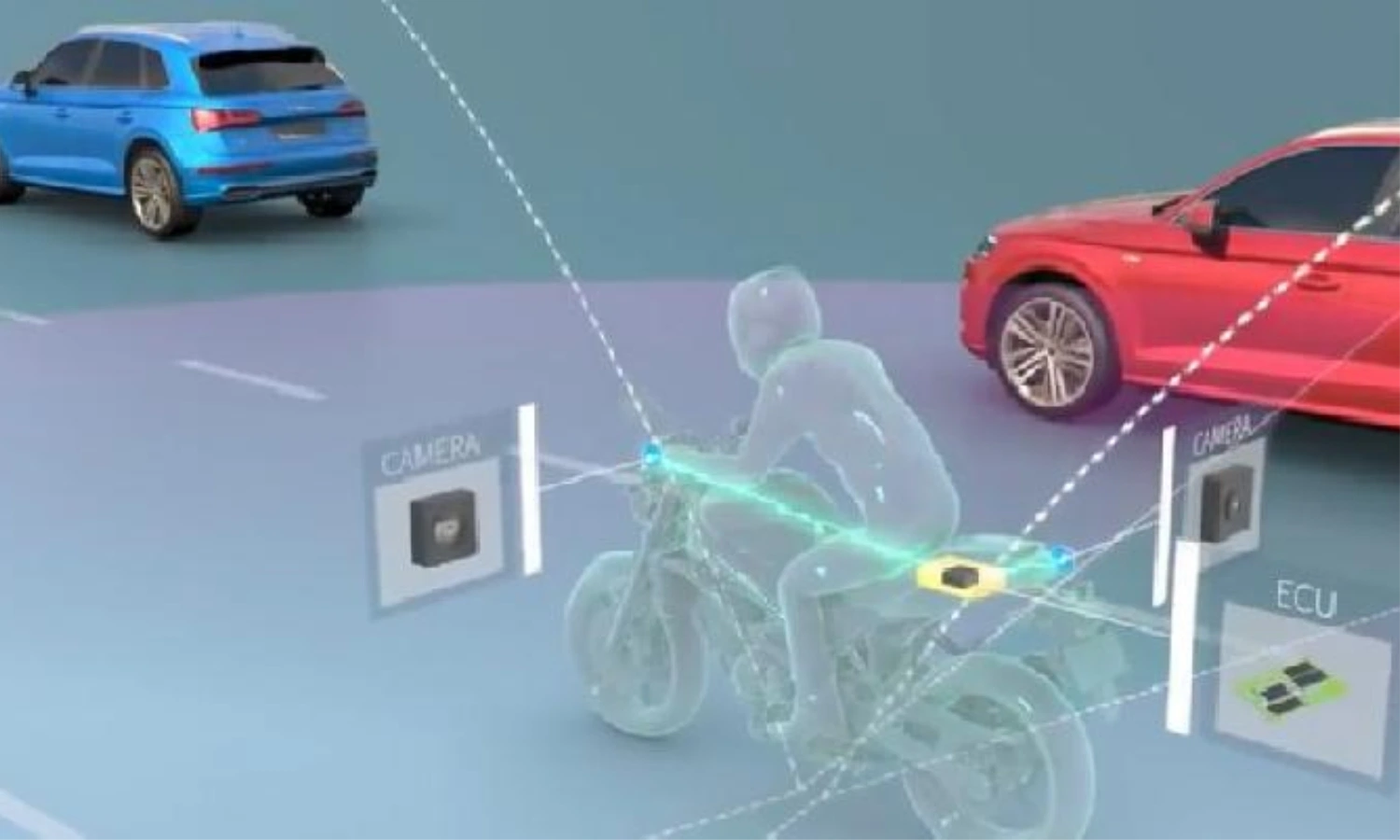
Blind Spot Detection: Alerts riders when vehicles approach from unseen angles.
Forward Collision Warning: Uses radar or cameras to detect sudden obstacles ahead.
Adaptive Cruise Control: Automatically adjusts speed based on traffic flow.
Lane Departure Warning: Warns riders when unintentionally drifting from their lane.
These systems aim to reduce human error — the leading cause of motorcycle accidents worldwide.
How Safety Technology Improves Rider Confidence
Advanced safety features not only prevent accidents but also enhance riding confidence. With real-time feedback and alerts, riders can react faster and make better decisions on the road.
This is especially beneficial for long-distance touring, daily commuting in dense traffic, and riding in unfamiliar areas.
In 2026, motorcycles equipped with ARAS will likely appeal to both experienced riders and newcomers who prioritize safety without sacrificing performance.
Read Also: Trends Motorcycle 2026, Are You Ready?
The Role of Sensors and Smart Systems
Modern safety technology relies heavily on radar sensors, cameras, gyroscopes, and AI-based processors. These components continuously analyze the motorcycle’s surroundings and riding behavior.
As sensor technology becomes smaller and more affordable, ARAS integration will expand beyond flagship models to mid-range motorcycles.
Impact on the Motorcycle Parts and Aftermarket Industry
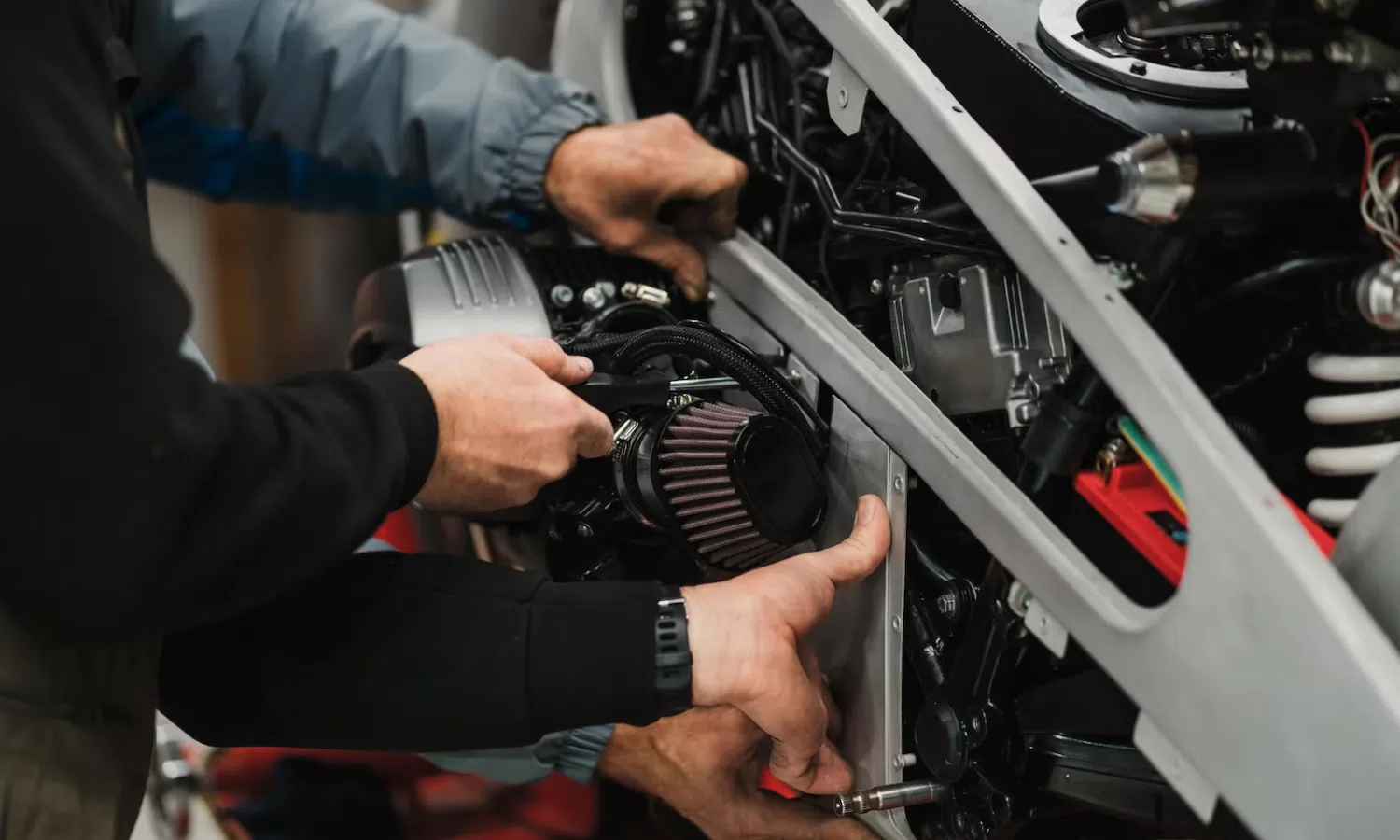
As safety technology evolves, the demand for electronic spare parts, sensors, control units, and calibration services will increase.
This shift will reshape the aftermarket industry, pushing suppliers and distributors to adapt to more technologically advanced components rather than purely mechanical parts.
Conclusion
By 2026, motorcycle safety technology will move beyond passive protection and into active accident prevention. Advanced Rider Assistance Systems (ARAS) represent a major step forward in making motorcycles safer, smarter, and more accessible.
For riders and industry players alike, understanding and adapting to these innovations will be key to staying ahead in the future of motorcycling.