Why Similar Motorcycles Can Use Different Parts
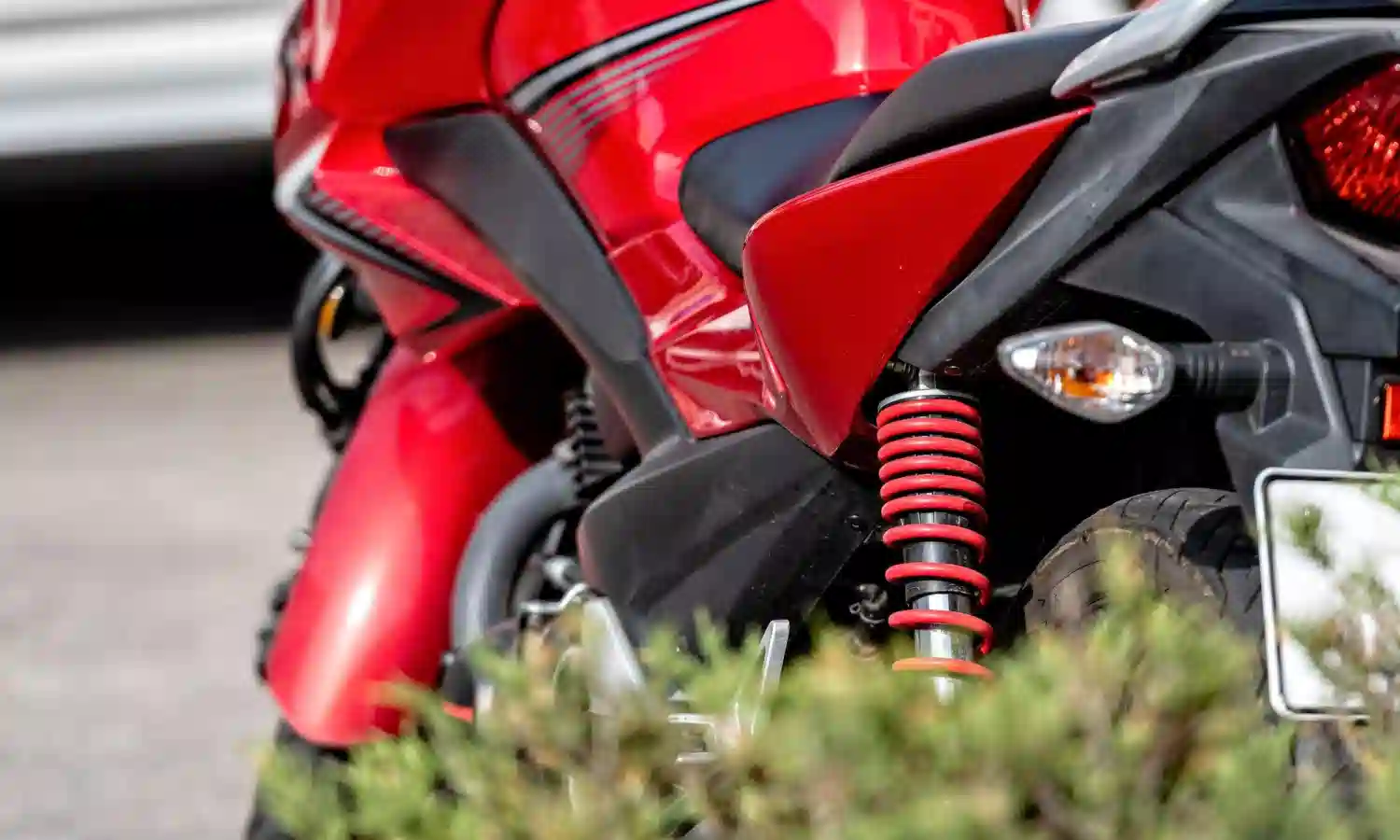
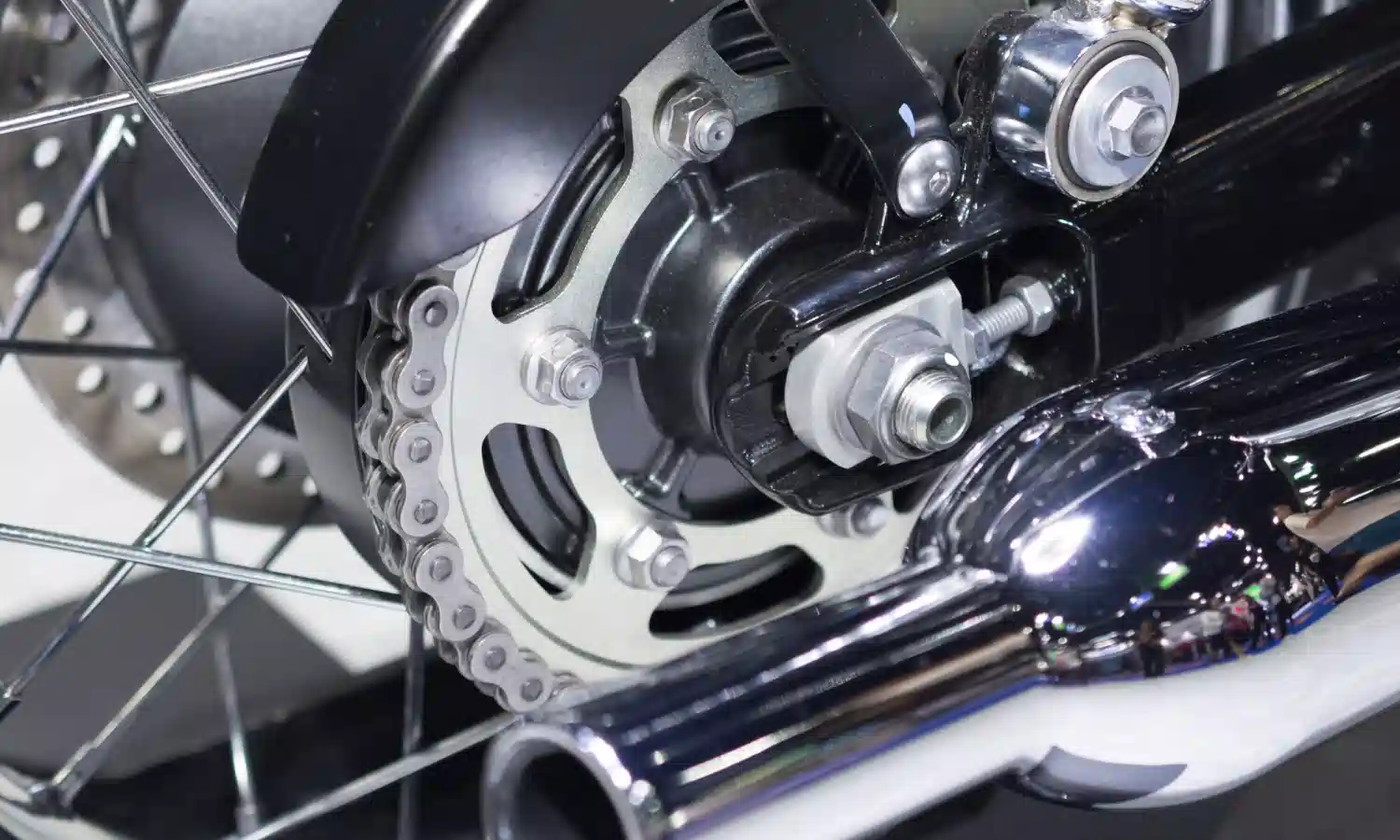
Motorcycles from the same manufacturer can sometimes look very similar while using different components.
This can create confusion for motorcycle owners, workshops, retailers, and parts distributors. A component may appear to fit a motorcycle but still not be the correct specification.
The reason is simple: motorcycle manufacturers design components according to the requirements of each model, engine, production version, and market.
Understanding these differences is important when selecting motorcycle parts.
Different Engine Specifications
One of the biggest reasons motorcycle parts vary is engine specification.
Two motorcycles may share a similar design but use different engine capacities or engine generations.
Changes in the engine can affect components such as:
- Pistons
- Filters
- Gaskets
- Spark Plugs
- Fuel System Components
- Exhaust Components
- Cooling Components
Even relatively small differences can require a different component specification.
Model Year Can Make a Difference
Motorcycle manufacturers regularly update their models.
A facelift or model refresh may introduce changes to mechanical or electrical components.
For example, a manufacturer may update:
- Wiring Systems
- Sensors
- Instrument Clusters
- Braking Components
- Body Panels
- Engine Components
- Suspension Systems

As a result, two motorcycles carrying the same model name may not necessarily use exactly the same parts.
Checking the production year can therefore be important.
Different Markets Can Have Different Specifications
Another important factor is the destination market.
Manufacturers may adapt motorcycles for different countries because of local regulations, customer requirements, fuel standards, road conditions, and market preferences.
This can influence components such as lighting systems, emissions-related parts, electrical systems, and other equipment.
This is particularly important for international motorcycle parts buyers.
A part that is correct for a motorcycle sold in one country may not automatically be correct for a similar-looking version sold somewhere else.
Why Part Numbers Matter
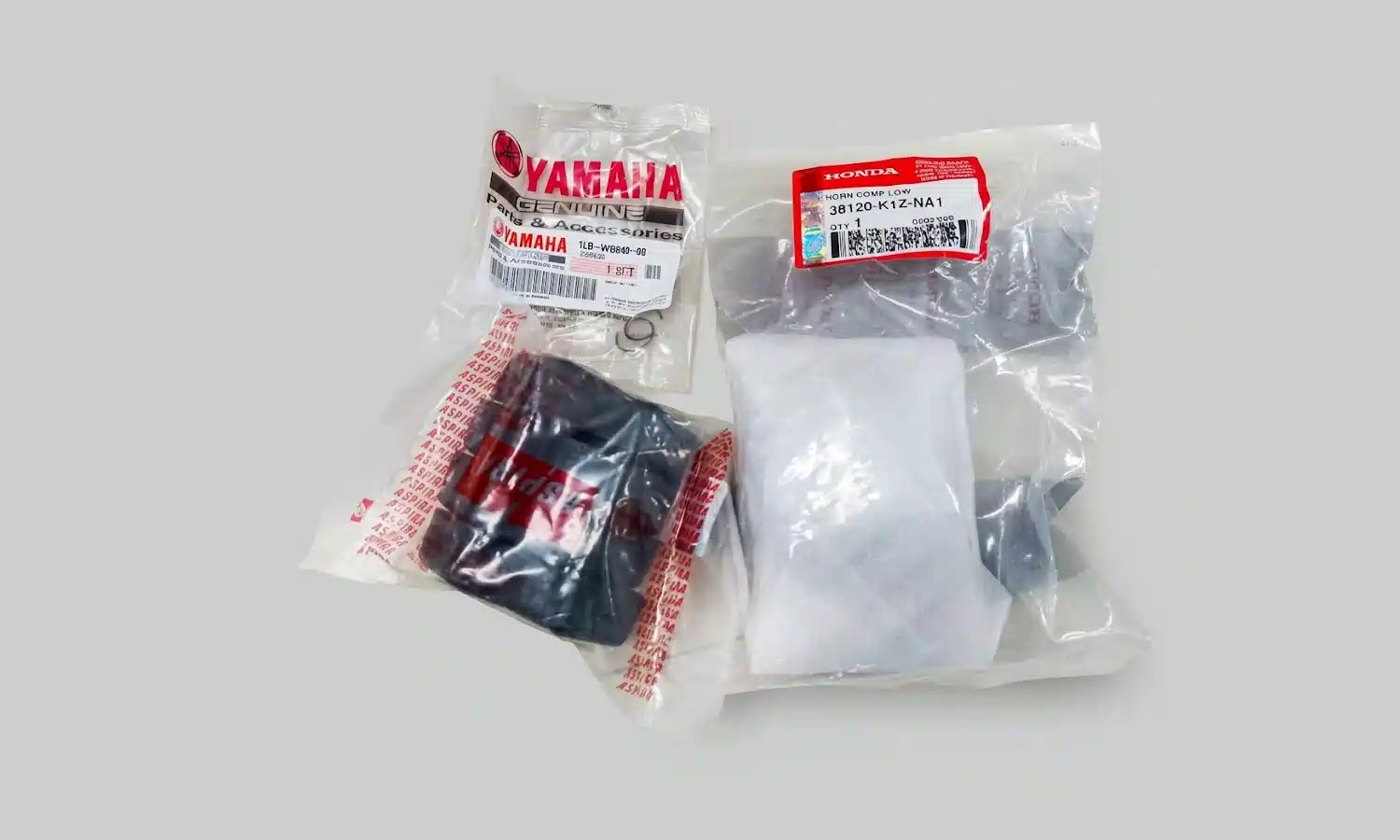
Part numbers help manufacturers, distributors, workshops, and buyers identify specific components.
Instead of identifying a component only by its appearance, buyers can use the part number to verify its application.
This becomes especially useful when:
- Several models look similar
- A component has been updated
- Multiple versions exist
- Products are sold internationally
- Large inventories need to be managed
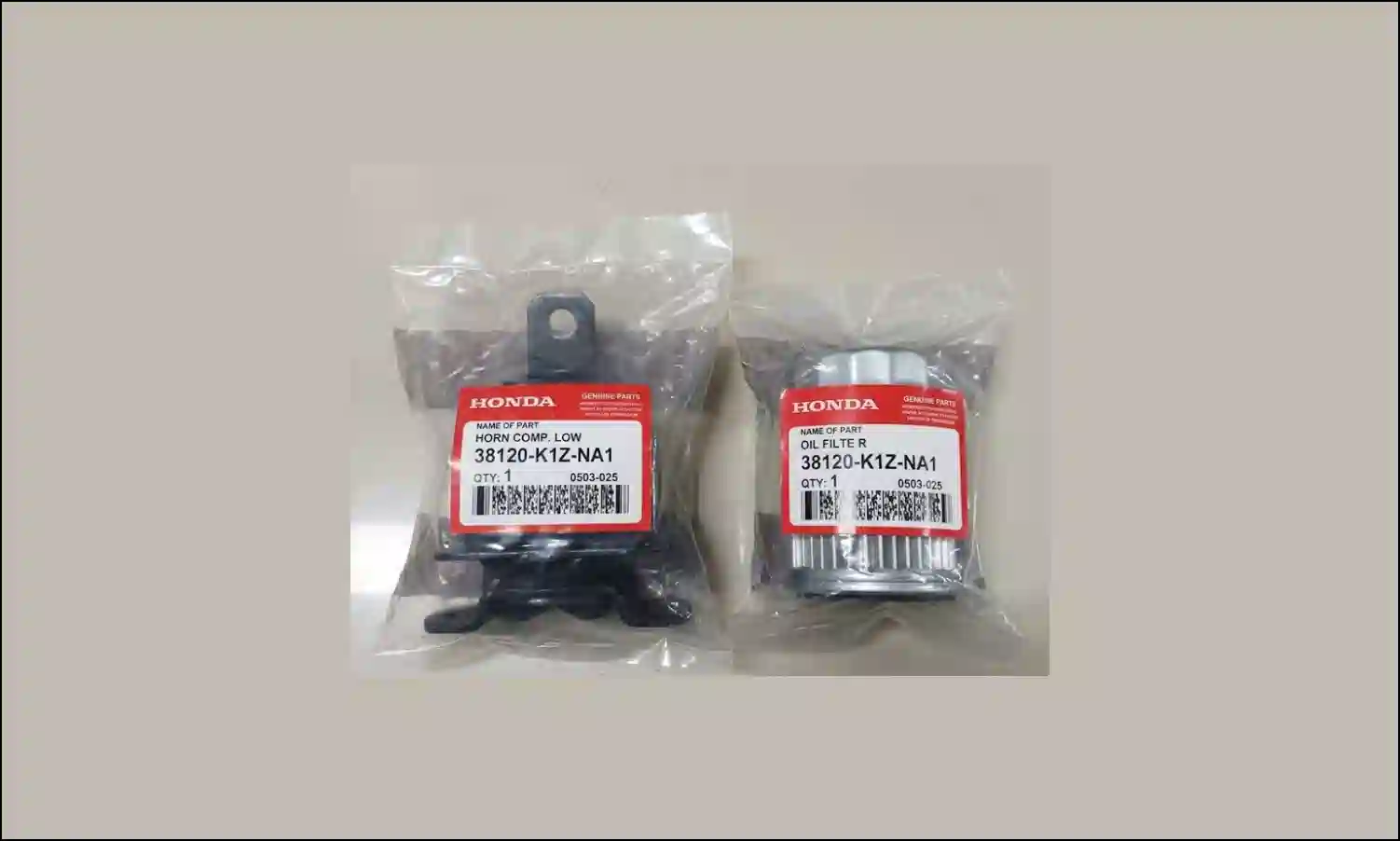
For motorcycle businesses, accurate catalog information can reduce ordering errors and improve inventory management.
Why Physical Fit Is Not Enough
One common mistake is assuming that a part is compatible simply because it physically fits.
A component may have similar dimensions but different technical specifications.
This can happen with electrical components, engine components, sensors, braking systems, and other motorcycle systems.
Correct compatibility should therefore consider more than appearance.
Genuine Parts and Manufacturer Specifications
Genuine motorcycle parts are developed according to specific manufacturer requirements.
This helps ensure that components are intended for their designated applications.
For distributors and importers, understanding those applications is particularly important when sourcing products across different markets.
Clear product information can help buyers identify the correct component before purchasing.
How Buyers Can Avoid Compatibility Problems
Before purchasing a motorcycle part, buyers should check:
- Motorcycle brand and model
- Model year
- Engine specification
- Part number
- Intended market
- Product documentation
- Supplier information

Taking a few extra steps before purchasing can prevent problems later.
Final Thoughts
Motorcycle parts have different specifications because motorcycles themselves are designed around different engineering, production, and market requirements.
Similar appearance does not always mean identical compatibility.
For riders, workshops, retailers, and international buyers, understanding motorcycle parts specifications is an important part of maintaining accurate inventories and selecting the correct components.
When in doubt, checking the part number and application information is generally more reliable than judging a component only by its appearance.